 Skip to main content
Resilient Brand
Essen Production
When its retail arm went bankrupt, an Elabuga mayonnaise maker guaranteed the creditors' settlement rather than walking away.
Elabuga, Tatarstan 🇷🇺
Brands recognized with prestigious industry awards, competition medals, and quality certifications from respected authorities.

Awards and certifications provide third-party validation that reduces buyer risk and justifies premium pricing. External recognition builds credibility faster than marketing claims, opening doors to distributors, retailers, and institutional buyers who trust independent verification.
Interactive map showing brand locations across emerging markets. View regional clusters.
When its retail arm went bankrupt, an Elabuga mayonnaise maker guaranteed the creditors' settlement rather than walking away.
In June 2019 Sultan Safin cut Tubetey's 17 points of 2018, franchises included, to six. It rebuilt in Kazan with about ten investor co-owners.
It made ointment bases for pharmacy compounding until regulation ended that trade, by its founder's account. Now cosmetics: ₽29.6M for 2024.
Every PUMA and Selfridges relationship vanished overnight in 2022. Outlaw Moscow kept working — it owned the factory, not just access to one.
A false death report nearly destroyed this kitchen. Its haleem won India's first GI tag for a meat dish — beating Rasgulla in a vote.
Told customers to stop buying during 2020 lockdown, paid staff from reserves — turnover doubled, ₽1.9B revenue by 2024, no investors.
She kept her trademark out of a 2010 investor deal that then collapsed entirely — the one asset withheld became a ₽1.1B business.
Every Western stockist this Moscow house built since 2010 vanished in 2022. Her answer: Russia's first fully domestic collection.
Sales were 'at their best,' its own trade body said. Then a Rp7 billion debt sank a Rp252 billion company with no succession plan for 39 years.
A 1990 factory fire nearly bankrupted a home cosmetics business. It rebuilt in two days — and became Indonesia's largest beauty company.

A Murmansk label drifted eight years without an identity, then the 2020 lockdown forced a rebuild around real Arctic material logic.
A Moscow couture house opened the month the ruble crashed in 1998 — and outlasted bankruptcy, lost buyers and sanctions on breadth, not scale.
Russia's largest men's-shoe maker survived the bankruptcy of its own holding company — because it had never really been just one company.
Saudi Arabia's most-loved chicken chain refused to open in its own capital for 43 years. The deliberate scarcity is what made it number one.
Shut down at peak visibility in 2018. The 2025 Grunovis-FZCO relaunch is legally distinct from the CDG original — not a revival, a reset.
From a ₽200K Yekaterinburg bet with no fashion training to ~₽786M and the Garage Museum — a federal brand built entirely on its own terms.

From a Yekaterinburg home showroom to ₽11.9B — twelve monthly capsules, one sanctions crisis, and a GUM flagship on the floor Hermès vacated.

Two crises tested the story-led model. The Golden Teardrop answered both — RMB 418M in 2024 fragrance sales, domestic category leader.
Hairstory turned junior stylists into equity partners — then watched that model hold firm through three consecutive pandemic lockdowns.
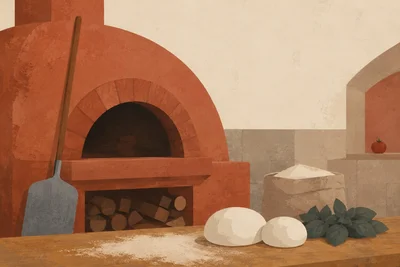
Salerno to Phuket: the family pizzaiolo who built five wood-fired branches supplied by the family's own mozzarella factory in Kathu.

Three generations built this winery through five crises — each one converting an irrigation showroom into the World's Best Vineyard Hall of Fame.

A government shutdown order in 1979 became Singapore's most enduring heritage bakery — S$76M in revenue, no down years, zero compromises.

Eighteen restaurant concepts under one founder-owned roof — built on the gambit that premium-priced Indian cuisine could clear MICHELIN.

Eight outlets on one Kuala Lumpur street, built by the operator who arrived first and held the lease through revenue at five percent of normal.

A Moscow jewelry laboratory where every ring is an engineering puzzle — pieces that open, transform, and hide diamonds inside mechanisms.
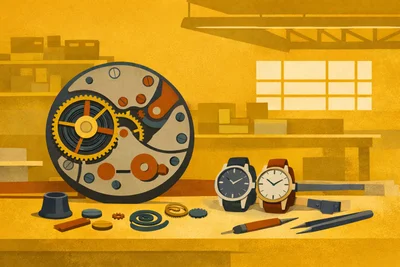
The Soviet pocket watch factory that survived as a military workshop, then bet its 1947 caliber on a wristwatch renaissance in Tankograd.
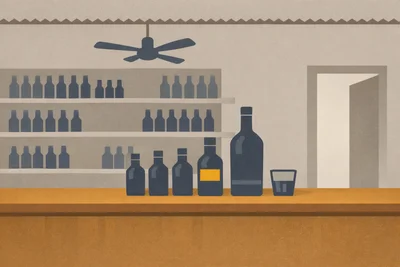
Dismissed as a lollipop, Officer's Choice survived 160 lawsuits to outsell Johnnie Walker — then listed at 24.85× oversubscribed.
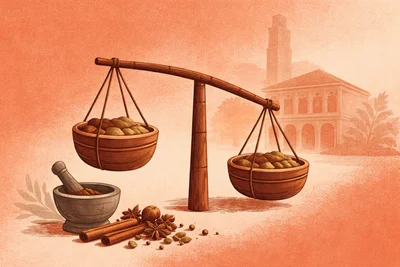
Malaysia's oldest restaurant lost 60% of its workforce in 18 months. Three years later, it opened a six-storey fine dining flagship.
Two fired flight attendants built Thailand's most awarded luxury spa brand inside heritage mansions no competitor can replicate.

A Thai beauty brand built on Rama V court flower recipes — COVID destroyed 40% of revenue, then a THB 72M corporate deal reshaped its future.

Never borrowed a baht in 23 years. When COVID struck three months after a $20M resort opening, zero-debt discipline became THANN's survival.

Russia's only carbon-fiber jeweler lost its namesake designer in 2016 — and the rebrand proved more generative than the original.
The most advanced enamel jewelry in the world is made by a self-taught Tatar who fires gold at 950°C — fifty degrees from destruction.
A failed movement four months before Baselworld. Fourteen people. The Joker was born from panic — and sold out in weeks at Basel.

First product killed by regulators. Technology mocked as backward. Became China's first profitable EV startup — then MEGA wiped ¥100 billion.

NIO's finance team counted cash in ¥10,000 units while the stock sat at $1.19. The gap between survival and collapse was 1,000 vehicles.

184 cars sold the month XPeng launched its flagship G9. Stock crashed 80%, ten executives left. Two years on: 197,000 vehicles in six months.
Five weeks after raising US$500K, Malaysia locked down. Forward College had 17 students and no backup plan. Every graduate has a job.
A frozen vineyard destroyed $2 million. The response: university at 43, indigenous grapes nobody wanted, and Russia's first Luca Maroni score.
Billionaire rescue capital, a highway 'lighthouse' winery, Russia's first World's Best Vineyards entry—from a project profitable only in 2024.
Malaysian cacao crashed 99.9%. This company pays farmers 3x market rates and won the country's first international chocolate awards.
Igor Samsonov died at 46. Eleven months later, Forbes crowned ESSE Winery of the Year. His quality systems outlived him—Crimea's boldest bet.
Twelve days after opening, thieves stole everything. Khulan caught the thief herself, survived three floods, built Mongolia's export leader
Loans at 24%. Twelve years unprofitable. Friends watching her 'descend into a pit.' Then Certificate №001—Russia's first federal license.

Zero TV ads. Zero magazine spreads. 15,000 KOL partnerships. Perfect Diary proved trust networks beat ad budgets—#1 on Tmall.
$110 million and Château Mouton Rothschild's winemaker built Russia's first 91-point Parker wine. Bankruptcy. New owners inherit.
By the chairman's account, a duty of more than 30% made a Penang shop's import trade hard, so the family asked to make the brands it sold itself.
A ₱2 price hike funded unlimited rice — the pricing mechanic that let an Iloilo grill stall outrun its own hyper-growth into 300+ stores.
A Chinese-tradition kopitiam pursued halal certification as deliberate Malay-market strategy, not compliance — timed into a boycott wave.

Ruban lost every international channel it had by 2022 — then won the domestic luxury tier the departing Western maisons left behind.
A luxury Ayurveda brand with no category to sell into in 2000 built an 18-year staged buyout Estée Lauder announced completing in 2026.

1981: McDonald's landed in Manila with global scale. Jollibee out-tasted it — and by 2025 held 30.7% of the market to McDonald's 10.3%.
China's No.1 suit brand became the world's top polarizer maker. Its founder died without a will. RMB33.55bn in claims followed.
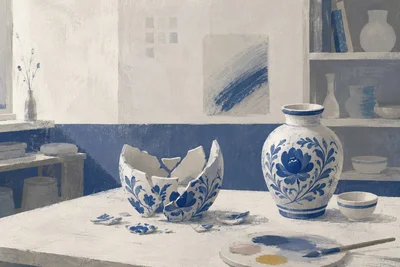
By 2009 Russia's most famous porcelain maker owed 425 million rubles. A conglomerate rebuilt it into a museum, not a factory.
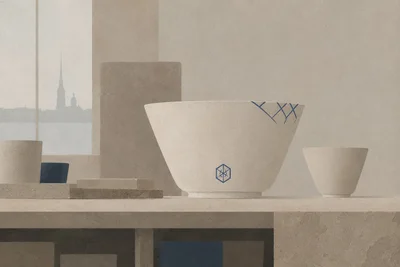
In 2000, a prosecutor opened a criminal case over who owned a blue lattice pattern on teacups from a factory that was already 256 years old.

Chowking's Chinese fast-food niche made rivals reformulate their own recipes — yet stayed too small to outgrow the partner who bought it in 2000.
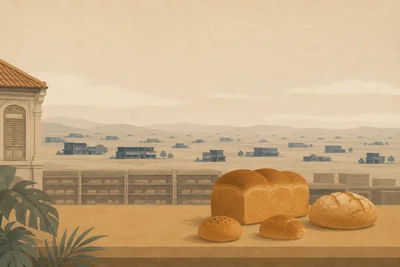
A 2003 Penang open-bakery became a ~31-outlet, three-region chain by industrialising the back end and never franchising — buns still from RM2.
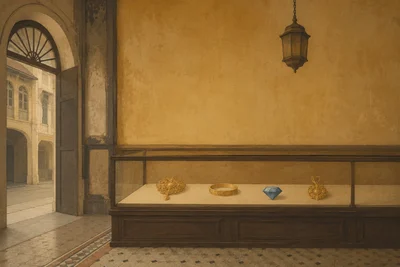
Malaysia's first listed jeweller went public at the worst possible moment — the depth of the 1998 crash — and beat its own numbers.
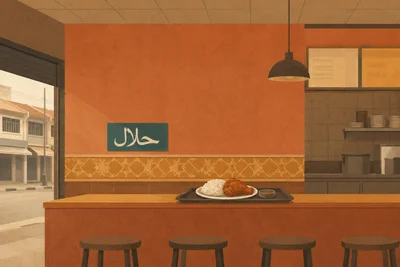
Rejected by banks and dismissed by rivals — Marrybrown took its halal menu to 16 countries on the moves KFC and McDonald's could not copy.
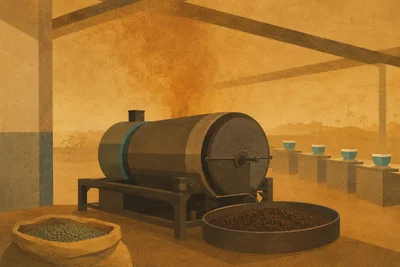
Rejected by 700 of its 800 wholesale buyers, Penang's oldest coffee factory opened its own stores — and invented Nitro Nanyang cold brew.
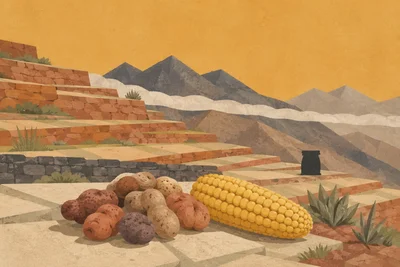
Chile's food-labelling rules accidentally pre-built Peru's snack compliance head start — a 30-year founder bet Alicorp valued at USD 72.2M.
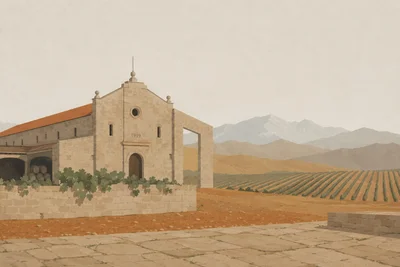
The dynasty that bailed out Norton twice in 36 years wrote no check in 2025. Now 130 years of Mendoza heritage is a court calendar.

China's #3 beauty-services chain survived a collapsed A-share takeover and a pandemic loss year to exit at RMB 1.25 billion in 2025.
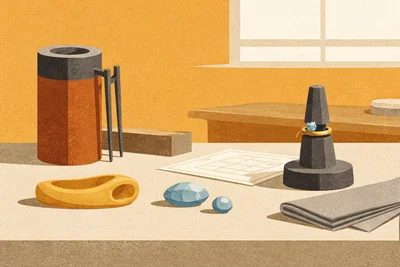
Cartier left Russia. Chamovskikh's March 2022 sales hit 400% of plan — earned by Peterhof, a Romanov commission, and the state treasury.
Russia's #1 beauty retailer: ₽155.5B revenue on 38 stores. Second-place L'Etoile has 890. The difference is a 700-person in-house tech team.

Co-founder died. Founding designer expelled. Russia exited under sanctions. Eight pieces in the Kremlin Armoury — now headquartered in Hong Kong.
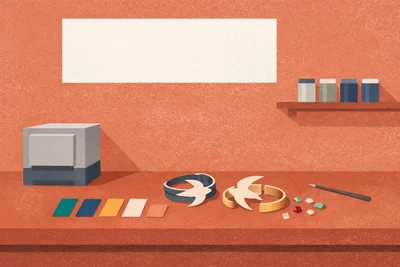
One swallow bracelet. One ruble crash. Ten years later — two Moscow boutiques in the spaces Richemont and Roger Dubuis left behind.
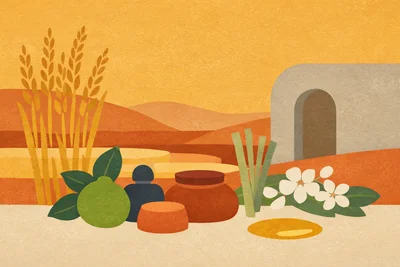
Every Bangkok mall rejected HARNN. The airport counter they settled for launched a rice bran oil brand to 17 countries and a $30.3 million exit.

Told for a decade that Thai luxury was impossible. Revenue hit zero during COVID. Then tripled to $32M — and KOSE paid $79M to acquire it.

A former sniper-scope polisher now sets gemstones at Avgvst's Ural factories. When sanctions hit, the brand split in two and grew 40%.
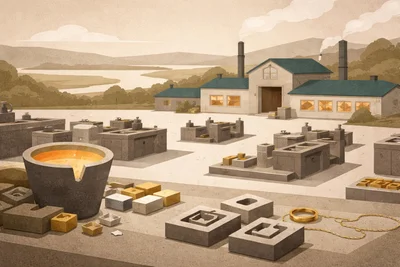
A village with no gold, in Russia's jewelry capital. Its dominant company started with nine people — and sold for an estimated ₽30–40bn.

BAIC's Arcfox sold 266 cars in a single month. Three years and one complete identity surrender later, it sold 160,000 in a year.
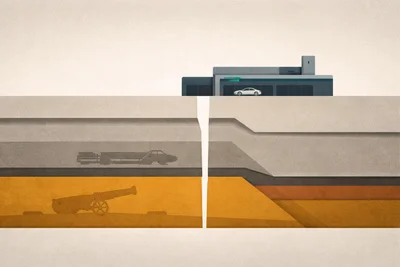
A weapons factory lost every profit engine at once. Its CEO fired 100 managers — and built three electric brands from the wreckage.

An eleven-year joint venture burned RMB 7.76 billion on 23,000 cars. Then BYD seized control and bet the relaunch on a minivan.

China's presidential limousine sold 4,700 cars in 2017. One radical transformation later: 460,000 — but the EV push is stumbling.

In 2010, BYD's quarterly profit dropped 99% and Elon Musk laughed on camera. A decade later, BYD outsold Tesla and surpassed its revenue.

97 employees sold their homes for a state-owned EV startup. First month: 879 deliveries. Three years later: 700,000 across 100 countries.
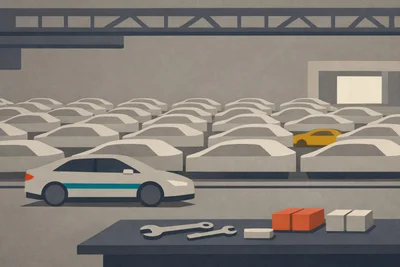
480,000 EVs delivered in one year — and Chinese consumers still call it 'the taxi car.' A ¥103B unicorn trapped in the wrong lane.

SAIC's profits fell 93%. IM Motors sold 455 cars a month while its closest peer went bankrupt. Survival required gutting its own price strategy.

When 400 Chinese EV brands collapsed, a phone company delivered 50,000 car orders in 27 minutes — and 600,000 vehicles in 22 months.

Forty brands cut prices when Tesla slashed the Model Y. Zeekr loaded more technology into cheaper vehicles — and tripled its margins.

Against 28 million bottles of semi-sweet, a telecom CEO set up Italian equipment in an Abkhazian village and won five international medals.
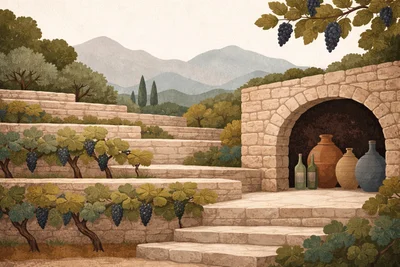
In a country where every winery makes semi-sweet wine, one family from a village of 843 refused. Their Malbec just won the national Gold Medal.

A $5,000 soap formula became Russia's top organic brand. Then the founder died without a will—and the fairy tale outlived its storyteller.

From nine vehicles in its first month to 10,000 a month by 2024, Avatr shows what China's CHN triple alliance can build from nothing.
Founded in 1892 on a dinner-party remark. Survived bankruptcy, occupation, and revolution. Won China's first-ever Decanter Best in Show.
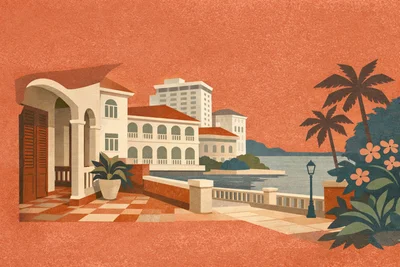
Four Armenian brothers from Isfahan built it in 1884. Bankruptcy, occupation, and fifty years of neglect followed — the E&O refused to die.

She left a 161-country cosmetics career to return to a Mongolian farm. Four staff then built a four-country export architecture for 12 markets.
153 years across five Russian regimes ended in 2022 liquidation. Within a year, Russia's largest wine portfolio acquired the trademark.
Seven gold medals at Mundus Vini in a single vintage. First Russian winery to achieve it. Now $80 bottles that win European competitions blind.
Purchased land for apple storage. Discovered 2,000-year-old fortress ruins and extinct French grape variety. Now Russia's #3 Sauvignon Blanc.
No distributor would touch Russia's first licensed family winery. Four years later, hand-painted bottles sell from Sochi to Vladivostok.
He made his fortune in potatoes. Then buried grapevines at 53°N where winter hits -47°C. The 2019 frost killed half his harvest. He kept going.
Bankrupted twice on the same debt. 2.7km of Stalin-era tunnels. A grain billionaire's sparkling wine bet—then a 2026 state seizure.
Two distributors walked away. Wine Spectator dismissed Russian wines. Then this construction CEO reached World's Best Vineyards #20.
Helicopter search for one hectare found 200. Forbes billionaire agreed instantly. Four years of losses before Russia's Wine of the Year.
A minister's wife, $20M in state loans, and Black Sea terroir at Bordeaux's latitude. Result: TerraVino 2022's 'Best Wine of Russia.'

Nine years between funding rounds—surviving on margins while competitors burned cash. Now holds the world's first TCF diaper patent.

A 428-square-foot salon became Malaysia's premier hairstyling empire after an 8-location express chain taught its founder when to cut losses.

From 200 sq ft during the 2008 crash to 100,000 sq ft across 7 locations. ISO 9001 certified. VC-backed rivals folded; ADA survived both crises.
When Italian nurseries refused Crimea shipments, these auto billionaires found Serbian suppliers—then planted Russia's densest vineyard anyway.
Russia's #31-ranked winery produces just 5,000 bottles annually—by two professionals who kept their day jobs and work weekends only.
Eight years from borrowed licenses to Grand Prix champion. A self-taught ceramics maker built one of Russia's ten Laureate wineries.

Russian Orthodox Church spent eight years preparing. Debut year: #12 nationally at 93.5 points. Two years in: Double Gold at Terravino.

$5,000 on grandmother's land. 100,000 jobs created. Ethiopia's first global fashion brand, built on a technique the market had dismissed.

From Ufa to Paris Fashion Week. Zero ad budget, Instagram-first. 150 stockists at peak—yet founder admits "all the same doubts—they are endless."
Imperial decree, Soviet survival, Western sanctions. In 152 years, Abrau-Durso has outlasted every force that tried to end it.
EU sanctions closed exports in 2014. Alma Valley built Russia's only gravity-flow winery, won IWSC medals, rode import substitution.

Soviet bulk winery hired an Australian consultant in 2004. Today: 36.6 million bottles, Parker 97, 800K bottles to China yearly.
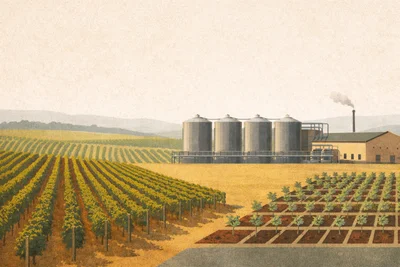
Two engineers spent $100M building Russia's largest winery—100% own grapes, 95.5M bottles. Then the state took it in 37 days.

In 1917, workers bricked up seven tunnels to hide the tsar's wines. The million-bottle collection survived five regime changes.

Russia's champagne birthplace. Prince Golitsyn carved cellars into coastal cliffs in 1878—tunnels that supplied tsars and outlasted regimes.

A 300-year winemaking tradition nearly died in 2018—not from market failure, but one death without succession. 720M RUB debt.

Four generations: Soviet workers → Fanagoria Chief Winemaker (45 years) → Russia's first family farm license → both sons involved.
750,000 rubles per bottle—a Russian wine record. Krasnostop Zolotovsky grapes carry a DNA-documented Don Valley origin.
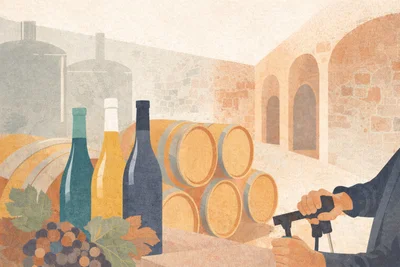
A converted dairy factory. Russia's first still Pinot Meunier. Forbes Top100 at 93 points. All while Western sanctions closed export markets.
| Brand | City | Country | Year | Website | Tier |
|---|---|---|---|---|---|
| Loading... | |||||
| No brands found matching your criteria. | |||||
| Visit — | Resilient Profiled Listed | ||||

Hyderabad's haleem trade alone moves ~₹1,000 crore a season. No venture database has ever recorded it — until a tax raid did.

Kyrgyzstan's certified natural-food exporters are Central Asia's best-documented secret — invisible behind a Russian-language wall.

Serbia's wine sector restarted from zero in 1990. Its export bet is a grape the West can't benchmark — and the China window just opened.

An Ipoh institution's third-generation cook died at 48 with no named heir. A whole heritage-restaurant cohort is hitting succession at once.

Three founder-to-next-generation handovers documented. Sixty percent of Malaysia's boutique heritage founders are still mid-transition.

80+ outlets, 400K combined followers, zero legal right to work. Malaysia's Middle Eastern restaurant economy operates in legal twilight.

Malaysia's largest beauty chain runs 130-plus branches across three countries. No English-language database carries it. Hannan is half the story.

13 founder-owned hotel groups. Three crises in 25 years. Invisible to Western databases. Michelin found them in September 2024.

Jim Murray scored Indian single malt 97/100 in 2009 — third best in the world. The category is still under-indexed fifteen years later.

When every Western gin brand vanished from Russia in 2022, bartenders didn't wait for replacements. They built 426 of their own.
Peak acclaim meets deepest crisis in twenty years. Three marquee bodegas in distress. A founding generation approaching transition.

A dome builder. A programmer. A violinist. They built Russia's specialty cheese sector from nothing and won gold in France.

Switzerland exported zero watches to Russia in January 2023. The sector it left behind had been quietly building for three decades.

$463M insurance exit. $110M wine bet. First Russian 91-point Parker wine. Then the Nikolaevs walked away—mission accomplished.
Type to search across all brands, founders, and insights