 Skip to main content
Resilient Brand
Essen Production
When its retail arm went bankrupt, an Elabuga mayonnaise maker guaranteed the creditors' settlement rather than walking away.
Elabuga, Tatarstan 🇷🇺
Brands that authentically represent specific local regions through ingredients, methods, tradition, or cultural significance.

Regional dominance provides launch pads for national and international expansion. These brands own their markets with deep local credibility, making geographic expansion strategies lower-risk and culturally authentic.
Interactive map showing brand locations across emerging markets. View regional clusters.
When its retail arm went bankrupt, an Elabuga mayonnaise maker guaranteed the creditors' settlement rather than walking away.
In June 2019 Sultan Safin cut Tubetey's 17 points of 2018, franchises included, to six. It rebuilt in Kazan with about ten investor co-owners.
Its debt bill doubled in 2015 and its shops shrank, but the kitchens and a new factory still make 12,500 tonnes of food a year.
By Tristan Russell's account, BOH's distributor feared in 1960 that the estate's European buyers would go. In time BOH turned to home buyers.
A false death report nearly destroyed this kitchen. Its haleem won India's first GI tag for a meat dish — beating Rasgulla in a vote.
Sold majority control to a much larger public parent in 2005 and bought it back in 2016. Four years later, it closed all 28 of its storefronts.
Told customers to stop buying during 2020 lockdown, paid staff from reserves — turnover doubled, ₽1.9B revenue by 2024, no investors.
GATE31 kept all 287 staff and every store open as demand cooled in 2026 — the exact decision that had already nearly killed it once, in 2017.
Sales were 'at their best,' its own trade body said. Then a Rp7 billion debt sank a Rp252 billion company with no succession plan for 39 years.
A 1990 factory fire nearly bankrupted a home cosmetics business. It rebuilt in two days — and became Indonesia's largest beauty company.
In 2022 every Western luxury house Bosco imported for 30 years left Russia at once. A factory built three years earlier is why it survived.

A Murmansk label drifted eight years without an identity, then the 2020 lockdown forced a rebuild around real Arctic material logic.
Russia's largest men's-shoe maker survived the bankruptcy of its own holding company — because it had never really been just one company.
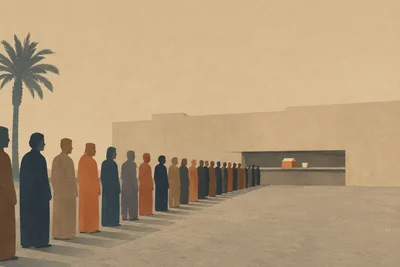
Saudi Arabia's most-loved chicken chain refused to open in its own capital for 43 years. The deliberate scarcity is what made it number one.
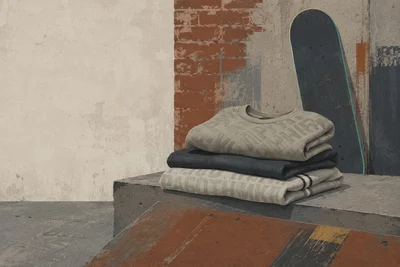
Shut down at peak visibility in 2018. The 2025 Grunovis-FZCO relaunch is legally distinct from the CDG original — not a revival, a reset.
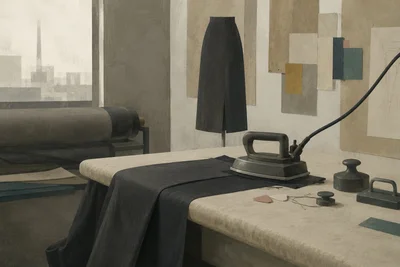
From a ₽200K Yekaterinburg bet with no fashion training to ~₽786M and the Garage Museum — a federal brand built entirely on its own terms.

From a Yekaterinburg home showroom to ₽11.9B — twelve monthly capsules, one sanctions crisis, and a GUM flagship on the floor Hermès vacated.

A single Deira outlet in 2000 became ~475 across ~45 countries — a QSR pitched as halal-first to the consumer the majors overlooked.
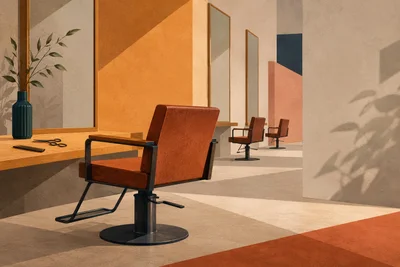
Hairstory turned junior stylists into equity partners — then watched that model hold firm through three consecutive pandemic lockdowns.
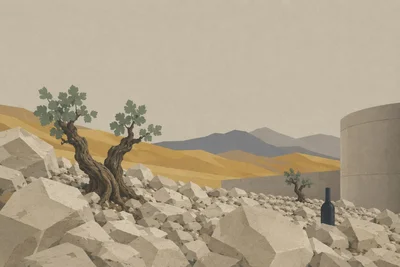
Three generations built this winery through five crises — each one converting an irrigation showroom into the World's Best Vineyard Hall of Fame.

A government shutdown order in 1979 became Singapore's most enduring heritage bakery — S$76M in revenue, no down years, zero compromises.

Eighteen restaurant concepts under one founder-owned roof — built on the gambit that premium-priced Indian cuisine could clear MICHELIN.

Mongolia had never known private enterprise. Naran borrowed $8,000 in 1990 — and hasn't missed a TOP-100 enterprise ranking since 2008.
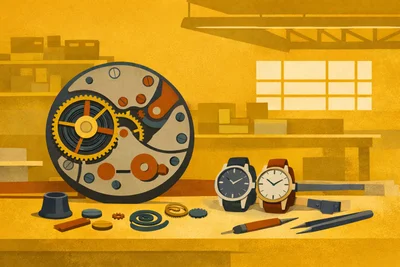
The Soviet pocket watch factory that survived as a military workshop, then bet its 1947 caliber on a wristwatch renaissance in Tankograd.
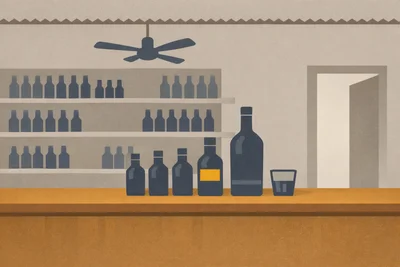
Dismissed as a lollipop, Officer's Choice survived 160 lawsuits to outsell Johnnie Walker — then listed at 24.85× oversubscribed.
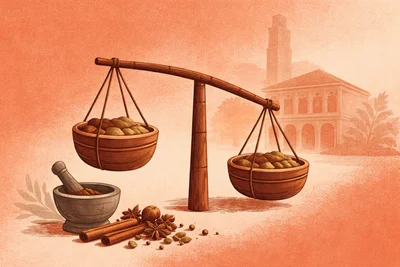
Malaysia's oldest restaurant lost 60% of its workforce in 18 months. Three years later, it opened a six-storey fine dining flagship.
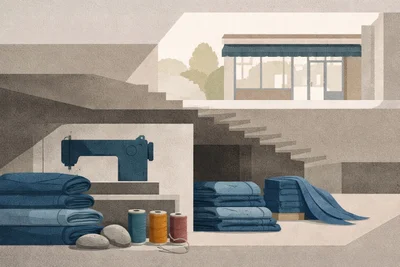
Gloria Jeans seized 200 Western storefronts in 2022 — then discovered that occupying a rival's space isn't the same as earning their customers.

Three syllables from a Renaissance sculptor. A SGD 5,000 loan. A 95% stock crash survived. Southeast Asia's boldest foreign branding play.

A restaurant chain built around cakes, a halal crisis that shut 297 outlets, and a 56-day sprint that turned compliance into a B2B supply channel.
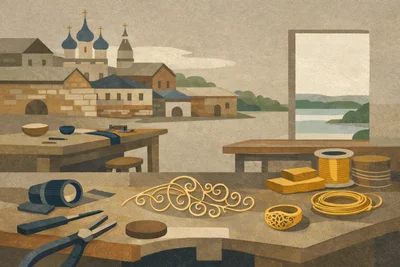
A bankrupt factory with six months of unpaid wages during the 1998 crash became the core of Russia's first vertically integrated jewelry empire.
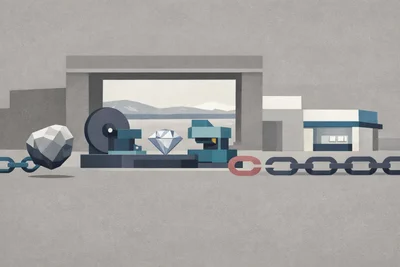
When Russia's diamond monopoly cut off its rough supply, EPL Diamond survived with a ₽500M state guarantee — then grew to 120+ stores.
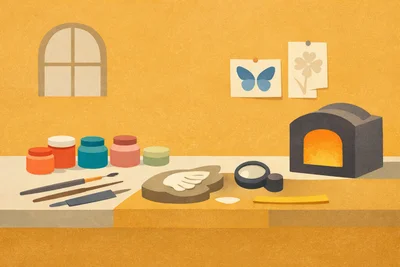
The most advanced enamel jewelry in the world is made by a self-taught Tatar who fires gold at 950°C — fifty degrees from destruction.
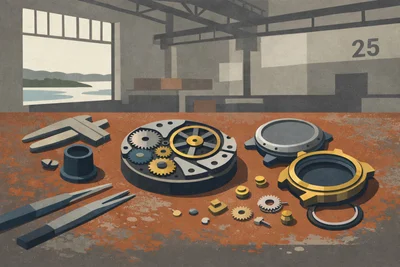
Bankrupt in 2010, restarted by three insiders. A dive watch whose seal tightens with depth. Russia's largest mechanical watchmaker.
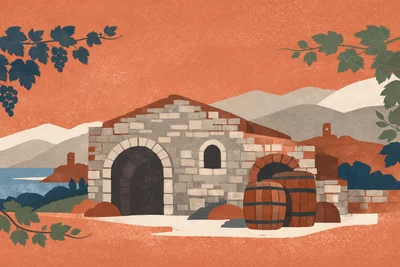
A dynasty survived Stalinism, war, and an international blockade — then rebuilt Abkhazia's wine from rubble to 28 million bottles.
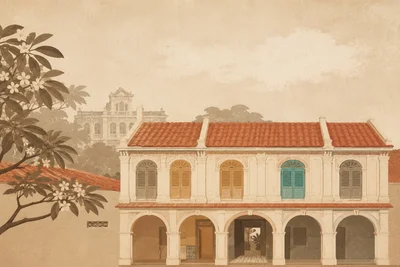
A former construction engineer opened 3 restaurants during a pandemic that closed hundreds. Now Penang's halal fine dining scene belongs to him.
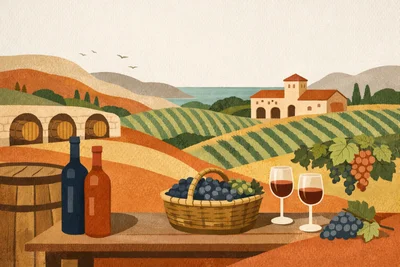
A 40-year industry veteran's boutique winery survived 754M rubles of bankruptcy. Six years later: Forbes TOP100Wines.ru 2021.
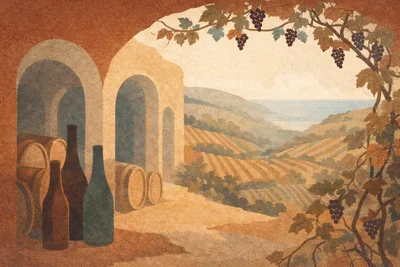
A frozen vineyard destroyed $2 million. The response: university at 43, indigenous grapes nobody wanted, and Russia's first Luca Maroni score.
SOGO Japan's $17B bankruptcy left GAMA for the taking. Management buyout, turnaround playbook, sales quadrupled—now 240 stores.
Twelve days after opening, thieves stole everything. Khulan caught the thief herself, survived three floods, built Mongolia's export leader
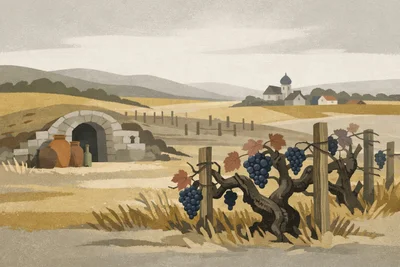
Soviet authorities destroyed 93% of Don Valley vineyards. One patriarch refused to cut a single vine, preserving 30+ extinct varieties.
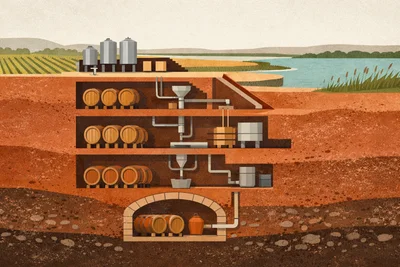
Loans at 24%. Twelve years unprofitable. Friends watching her 'descend into a pit.' Then Certificate №001—Russia's first federal license.
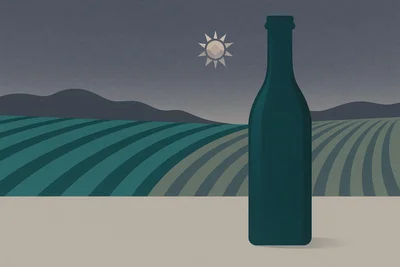
$110 million and Château Mouton Rothschild's winemaker built Russia's first 91-point Parker wine. Bankruptcy. New owners inherit.

Sold at market peak for $50M. Bought back for $15M when the bank's president fled abroad. Now 400+ stores built from 1936 Soviet roots.
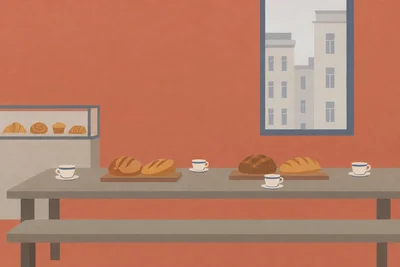
In November 2018 Oleg Lega said Bushe had reached the edge at which a chain stops being alive and would expand no further in St Petersburg.
Largest known shareholder, no majority on record (31.4%, 2014): 39 years running one Tatarstan plant, now eighth in Russian ice cream.
Halab runs four restaurants and 103K followers under a name nobody claims — deliberately, in a district under active enforcement.
A ₱2 price hike funded unlimited rice — the pricing mechanic that let an Iloilo grill stall outrun its own hyper-growth into 300+ stores.
When Edam cheese ran out in 2022, Mary Grace halted its bestseller for two months — the same discipline that kept it unfranchised for 30 years.
A Moscow streetwear label survived 2022 sanctions and a failed store — a rival ran out of cash — by refusing to raise its ₽2,600 T-shirt price.

1981: McDonald's landed in Manila with global scale. Jollibee out-tasted it — and by 2025 held 30.7% of the market to McDonald's 10.3%.

A hotel that just posted its best year in a decade collapsed anyway — killed by inherited debt and a decade-long inheritance war.
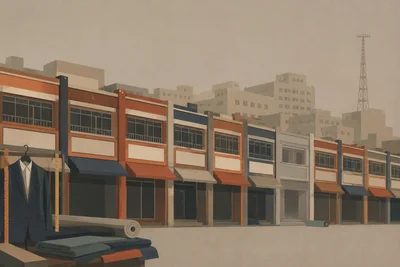
China's No.1 suit brand became the world's top polarizer maker. Its founder died without a will. RMB33.55bn in claims followed.
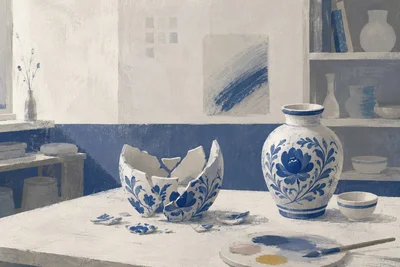
By 2009 Russia's most famous porcelain maker owed 425 million rubles. A conglomerate rebuilt it into a museum, not a factory.
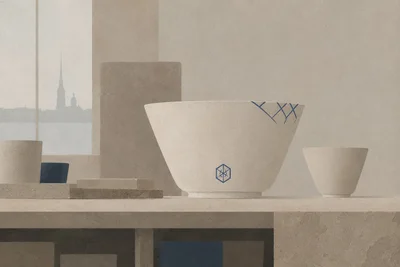
In 2000, a prosecutor opened a criminal case over who owned a blue lattice pattern on teacups from a factory that was already 256 years old.

Chowking's Chinese fast-food niche made rivals reformulate their own recipes — yet stayed too small to outgrow the partner who bought it in 2000.
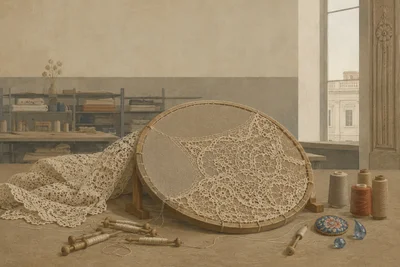
Her couture was built on being Russian. In 2022 that identity lost its Paris stage — yet 2024 revenue climbed 23.8% past a billion roubles.
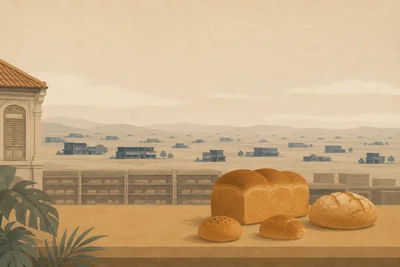
A 2003 Penang open-bakery became a ~31-outlet, three-region chain by industrialising the back end and never franchising — buns still from RM2.
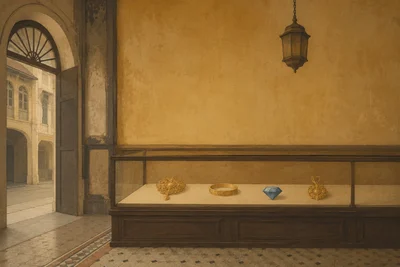
Malaysia's first listed jeweller went public at the worst possible moment — the depth of the 1998 crash — and beat its own numbers.
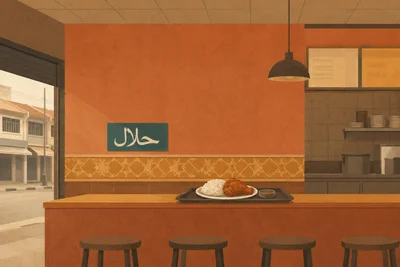
Rejected by banks and dismissed by rivals — Marrybrown took its halal menu to 16 countries on the moves KFC and McDonald's could not copy.
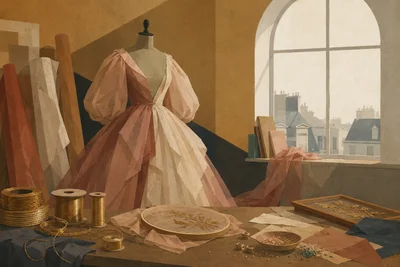
11 years off-calendar in Paris before FHCM admission. When sanctions removed the slot, the infrastructure that earned it remained.
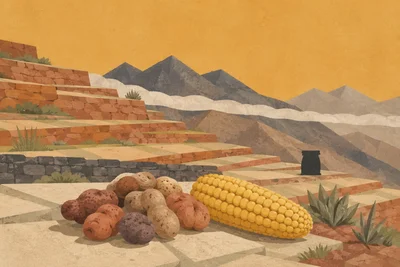
Chile's food-labelling rules accidentally pre-built Peru's snack compliance head start — a 30-year founder bet Alicorp valued at USD 72.2M.

Built Mongolia's beauty retail rails — 50+ stores, 264 brands — then took Asia's longest-running Yves Rocher franchise from its largest rival.
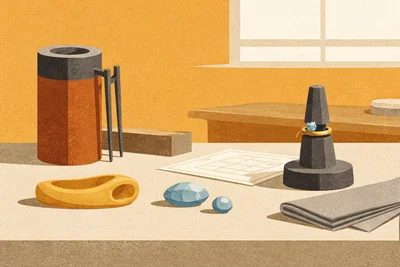
Cartier left Russia. Chamovskikh's March 2022 sales hit 400% of plan — earned by Peterhof, a Romanov commission, and the state treasury.

A palace photo shoot in 2010 revealed no Russian-style jewelry existed — the gap Aksyonov filled is now in the museum alongside Fabergé.
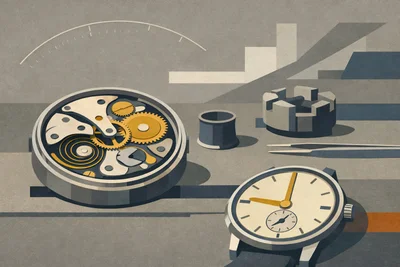
Gagarin wore it in 1961. Omega went to the Moon in 1969. Omega became the Moonwatch. This is what happened to the watch that got there first.

Russia's #1 beauty retailer: ₽155.5B revenue on 38 stores. Second-place L'Etoile has 890. The difference is a 700-person in-house tech team.
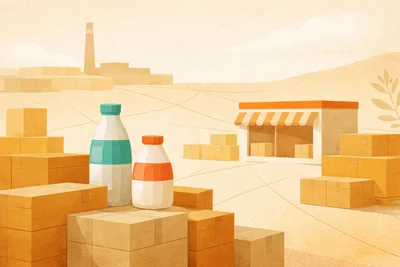
China's deepest distribution network — 1,500 dealers, every township — survived 29 lawsuits against Danone and the death of its founder.
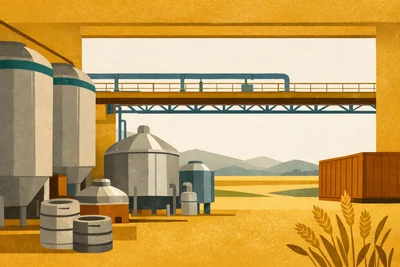
A dead English brewery, shipped 8,500 km to a Pyongyang cabbage field. Now 13 varieties, ~70% market share, exports defying UN sanctions.
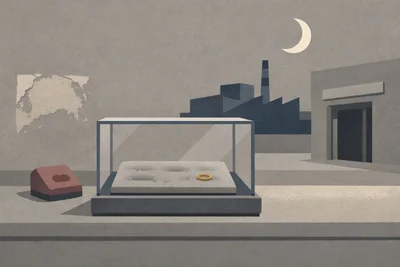
RUB 27.5B in bankruptcy claims, three executives prosecuted, 30 rivals destroyed — and the brand sold for RUB 6.5B eight years later.

A former sniper-scope polisher now sets gemstones at Avgvst's Ural factories. When sanctions hit, the brand split in two and grew 40%.
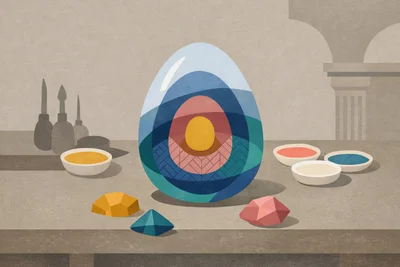
Lost its own name for $25,000 in 1951. Watched it sell for $1.55B on toilet cleaner. Recovered it for $38M. Still unprofitable.
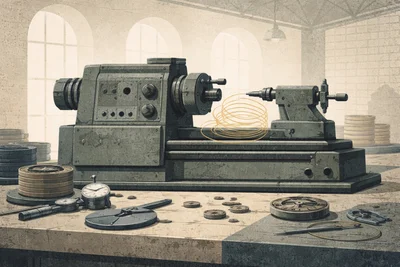
One of a small number of watchmakers globally making its own hairsprings, independent of the Nivarox supply chain most of the industry relies on.
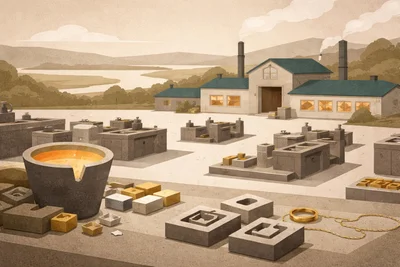
A village with no gold, in Russia's jewelry capital. Its dominant company started with nine people — and sold for an estimated ₽30–40bn.

Russia's largest jewelry chain — 397 stores, ₽45B revenue — collapsed in 18 months under ₽31.7B debt after the 2014 ruble crash.
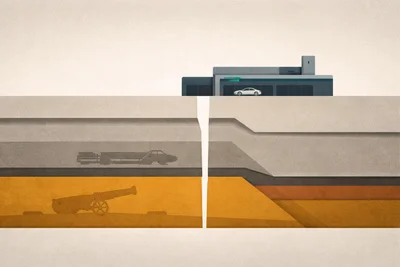
A weapons factory lost every profit engine at once. Its CEO fired 100 managers — and built three electric brands from the wreckage.

China's presidential limousine sold 4,700 cars in 2017. One radical transformation later: 460,000 — but the EV push is stumbling.

A minivan maker in a third-tier Chinese city built a $4,500 USD EV with no airbags. It outsold Tesla globally within six months.
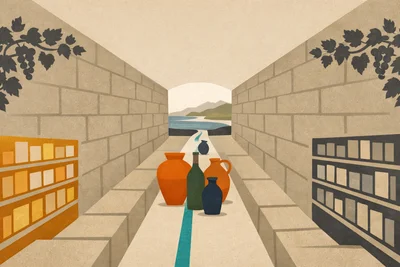
Russia's sole Abkhazian wine importer leveraged a ruble crisis to overtake every competitor — and now owns half the winery supplying it.

Forty brands cut prices when Tesla slashed the Model Y. Zeekr loaded more technology into cheaper vehicles — and tripled its margins.
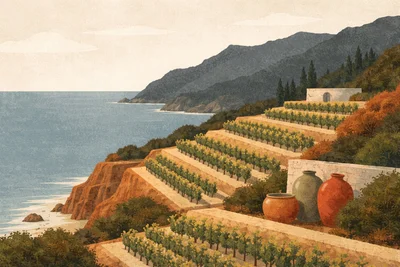
Founded as tanks rolled through Georgia, Chateau Abkhaz built Abkhazia's only full-cycle winery on zero-tariff Russian access—estate grapes, 30+ labels.

A $5,000 soap formula became Russia's top organic brand. Then the founder died without a will—and the fairy tale outlived its storyteller.
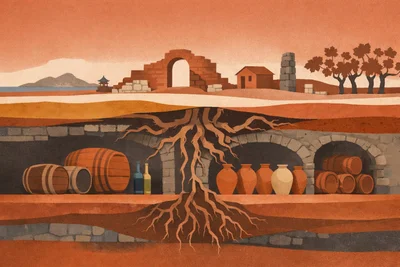
Founded in 1892 on a dinner-party remark. Survived bankruptcy, occupation, and revolution. Won China's first-ever Decanter Best in Show.
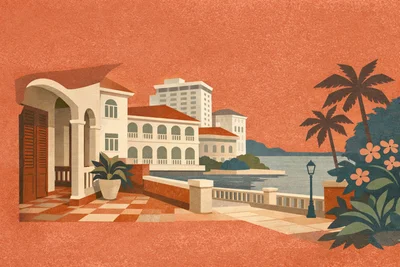
Four Armenian brothers from Isfahan built it in 1884. Bankruptcy, occupation, and fifty years of neglect followed — the E&O refused to die.
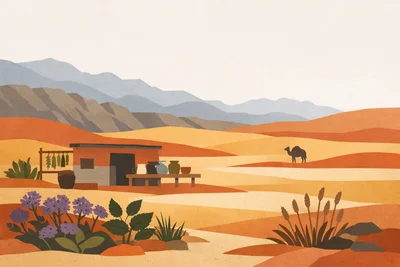
A beautician in the Gobi Desert sources camel milk from herders 216 kilometers away to make cosmetics no coastal competitor can replicate.
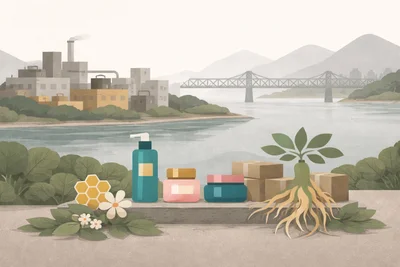
Three names, one factory, 80 years. A DPRK state enterprise that survived famine and sanctions by reinventing everything except the factory.
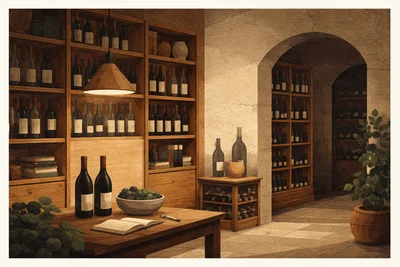
Russia's most prestigious wine portfolio—Romanée-Conti, Pétrus, Gaja—belongs to two engineering students who started by selling dishes.
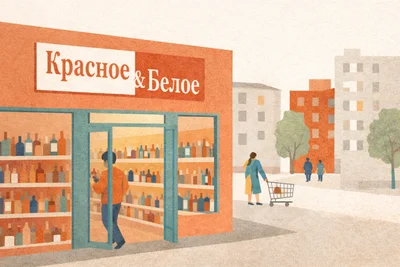
23% margins in an industry built on 150%. Russia's largest alcohol retailer proved volume beats premium by opening 20,527 stores.
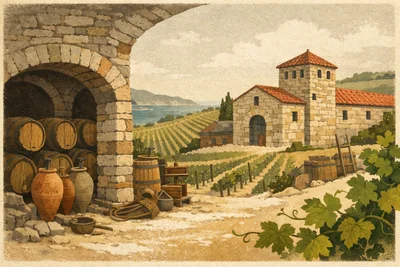
153 years across five Russian regimes ended in 2022 liquidation. Within a year, Russia's largest wine portfolio acquired the trademark.
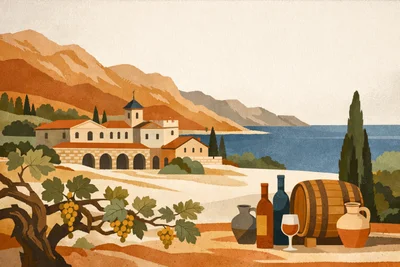
A Tsar sampled wine here in 1837. Sanctions mean you never will. Crimea's most exclusive winery produces 40,000 bottles for Russia alone.
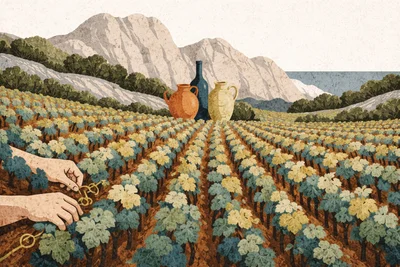
Russia's standard vineyard density is 3,000 vines per hectare. Château Sort planted 6,700—and turned skeptics into believers.
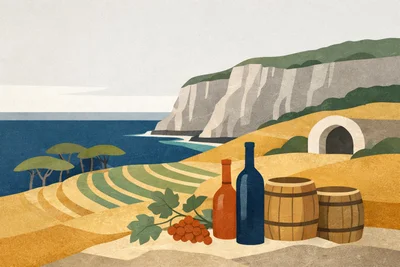
Seven gold medals at Mundus Vini in a single vintage. First Russian winery to achieve it. Now $80 bottles that win European competitions blind.
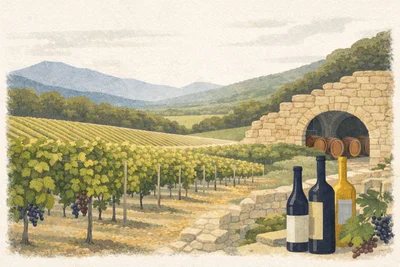
Purchased land for apple storage. Discovered 2,000-year-old fortress ruins and extinct French grape variety. Now Russia's #3 Sauvignon Blanc.
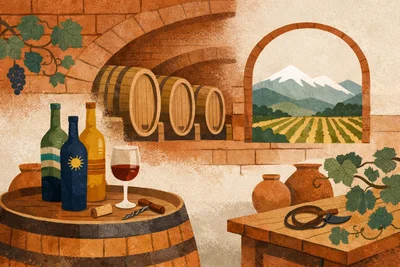
No distributor would touch Russia's first licensed family winery. Four years later, hand-painted bottles sell from Sochi to Vladivostok.
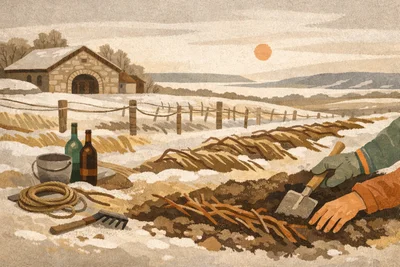
He made his fortune in potatoes. Then buried grapevines at 53°N where winter hits -47°C. The 2019 frost killed half his harvest. He kept going.
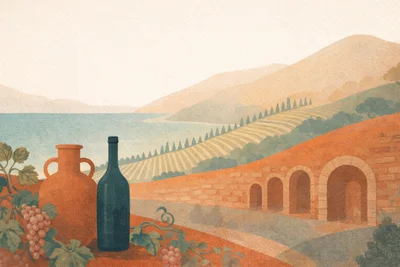
Bankrupt in 2014 with 75% of vineyards lost, revived to 6 million bottles—then seized into Russian state ownership in April 2026.
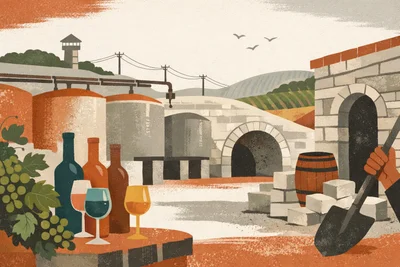
Bankrupted twice on the same debt. 2.7km of Stalin-era tunnels. A grain billionaire's sparkling wine bet—then a 2026 state seizure.
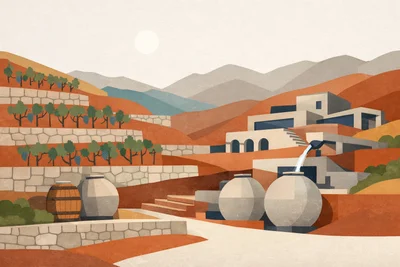
Two distributors walked away. Wine Spectator dismissed Russian wines. Then this construction CEO reached World's Best Vineyards #20.
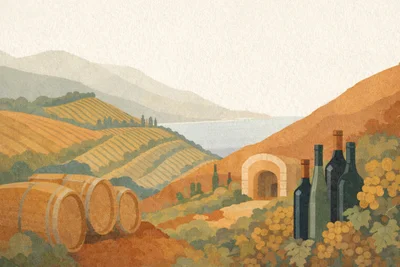
Helicopter search for one hectare found 200. Forbes billionaire agreed instantly. Four years of losses before Russia's Wine of the Year.
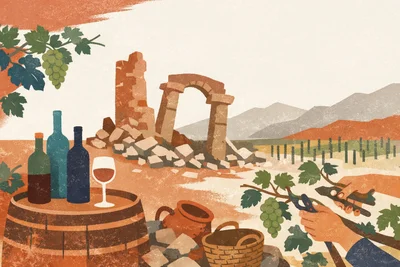
He produces only 100 bottles per wine from his basement. No retail, no prices—just free tastings that draw celebrities to Dagestan.
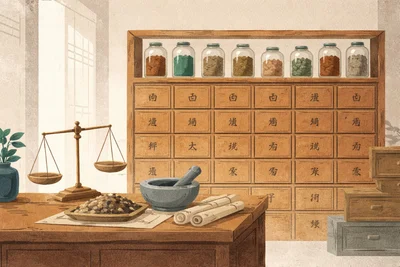
Uncles sold this 111-year-old TCM company to developers. Heirs bought it back for S$21 million—then sold it for S$808 million.
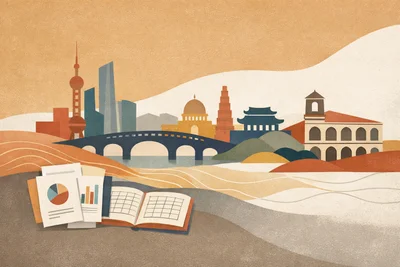
A misspelled surname, $500, and Deng's Southern Tour. Thirty-two years later: 27 offices, $50M revenue, six crises survived by staying put.

From 200 sq ft during the 2008 crash to 100,000 sq ft across 7 locations. ISO 9001 certified. VC-backed rivals folded; ADA survived both crises.
Hebrew name. Israeli design. Chinese production. Russian stores. Boris Ostrobrod disguised "Russian" as "foreign" when domestic meant cheap.
A grandfather bought land when his grandson Mark was born. Eleven years later, Marko became Stavropol's sixth licensed winery.
Imperial decree, Soviet survival, Western sanctions. In 152 years, Abrau-Durso has outlasted every force that tried to end it.
Gorbachev closed 600 liquor facilities—Derbent preserved its vineyards. 1998 devastated the industry—Derbent survived. 163 years.

Soviet bulk winery hired an Australian consultant in 2004. Today: 36.6 million bottles, Parker 97, 800K bottles to China yearly.
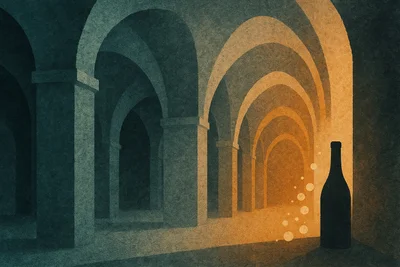
Europe's largest underground cellars—55,000 sqm carved into Roman quarries where natural limestone maintains 14–18°C year-round.
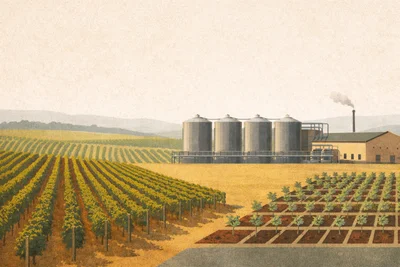
Two engineers spent $100M building Russia's largest winery—100% own grapes, 95.5M bottles. Then the state took it in 37 days.

In 1917, workers bricked up seven tunnels to hide the tsar's wines. The million-bottle collection survived five regime changes.
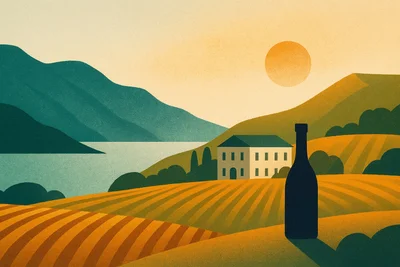
Russia's champagne birthplace. Prince Golitsyn carved cellars into coastal cliffs in 1878—tunnels that supplied tsars and outlasted regimes.

A 300-year winemaking tradition nearly died in 2018—not from market failure, but one death without succession. 720M RUB debt.
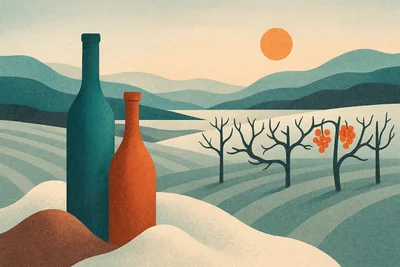
750,000 rubles per bottle—a Russian wine record. Krasnostop Zolotovsky grapes carry a DNA-documented Don Valley origin.
The harbor where the Light Brigade charged in 1854 now produces 10 million bottles of sparkling wine annually from 135 years of heritage.
Directory of emerging brands in our research pipeline.
| Brand | Website |
|---|---|
| Him Heang | — |
| Monos Cosmetics | — |
| Yin Oi Tong | — |
| Brand | City | Country | Year | Website | Tier |
|---|---|---|---|---|---|
| Loading... | |||||
| No brands found matching your criteria. | |||||
| Visit — | Resilient Profiled Listed | ||||

Bahetle's last Moscow store shut in April 2026. Production moved to the family's factories. Succession, done through the factory, not the shop.

A 1591 crossroads city built an empire on diamonds, lost its capital twice, and still exports a cuisine it never quite gets to own.

Hyderabad's haleem trade alone moves ~₹1,000 crore a season. No venture database has ever recorded it — until a tax raid did.

China's restaurant market is ¥5.5 trillion and barely 5% chain-owned. The founders who beat that number are aging out of that decision.

Phoenician port, Spanish presidio, EU border, live fault line — Melilla survived by repricing what it sells to whoever holds power.

Three Russian bakery-café founders hit the same cost squeeze. One named his limit and held it. One sold. One died before the question resolved.

Russia's best coffee brands aren't in Moscow — and 2022 didn't kill the ones that survived. It proved which founders still held the wheel.

A generation of Filipino founders built the nation's love of its own fast food — then, one by one, sold the brands to the rival they'd beaten.

The JAKIM halal stamp clears 100+ OIC markets in one move — the supply-chain barrier no Western QSR spent the decades to build.

Serbia's wine sector restarted from zero in 1990. Its export bet is a grape the West can't benchmark — and the China window just opened.

Uncles sold the 111-year-old TCM company. Fourth-generation heirs bought it back for S$21 million. Thirty years later: S$808M exit.

Saudi Arabia holds the world's largest Arabic perfumery market. The houses dominating global discourse are UAE. Four Saudi houses anchor home.

Three founder-to-next-generation handovers documented. Sixty percent of Malaysia's boutique heritage founders are still mid-transition.

80+ outlets, 400K combined followers, zero legal right to work. Malaysia's Middle Eastern restaurant economy operates in legal twilight.

Malaysia's largest beauty chain runs 130-plus branches across three countries. No English-language database carries it. Hannan is half the story.

13 founder-owned hotel groups. Three crises in 25 years. Invisible to Western databases. Michelin found them in September 2024.

Switzerland exported zero watches to Russia in January 2023. The sector it left behind had been quietly building for three decades.
Type to search across all brands, founders, and insights