Resilient Brand
ZNY
ZNY earned Selfridges and Paris Fashion Week standing over a decade. Sanctions closed that channel in 2022 — so it rebuilt at home instead.
Moscow 🇷🇺
28,000+ founder-owned brands across emerging markets approaching succession. Not in PitchBook. Not in Preqin. Evidence in native-language press that institutional capital can't read.
Choose any brand. The founder's story is on us.
Browse the library ↓This quarter's pilot cohort — 10 of 10 remaining
These brands have never raised institutional capital. No PitchBook entry, no Crunchbase profile, no analyst coverage. Invisible — not because they're small, but because no infrastructure exists to surface them.
The founder interviews, trade press, and crisis documentation that proves resilience exists in Russian, Chinese, and local-language sources. Translation isn't the barrier — synthesis is.
The window to build a founder relationship is 3–5 years before a process starts. Once the mandate is live, you're competing on price with everyone else who just heard about the brand for the first time.
The solution
Battle-tested brands and founders who have come through real crises — documented transformation arcs that reveal what financial data cannot, surfaced early while there's still time to build the relationship.
Find founder-owned brands years before a banker calls — while the relationship window is still open, not once it has become an auction.
We've already read what your team can't: the crisis coverage, founder interviews, and trade press — in Russian, Chinese, and other local languages — and synthesized it into a decision-ready read.
A triage layer ahead of traditional DD, so you commit analyst time and travel budget only to the brands a track record already shows are worth a closer look.
See the deal before your competitors do — while the founder is still taking calls, not fielding an auction.
Two complete profiles — how the brand survived its defining crisis, and what that crisis revealed about the founder
See what's inside — real examples from the reports
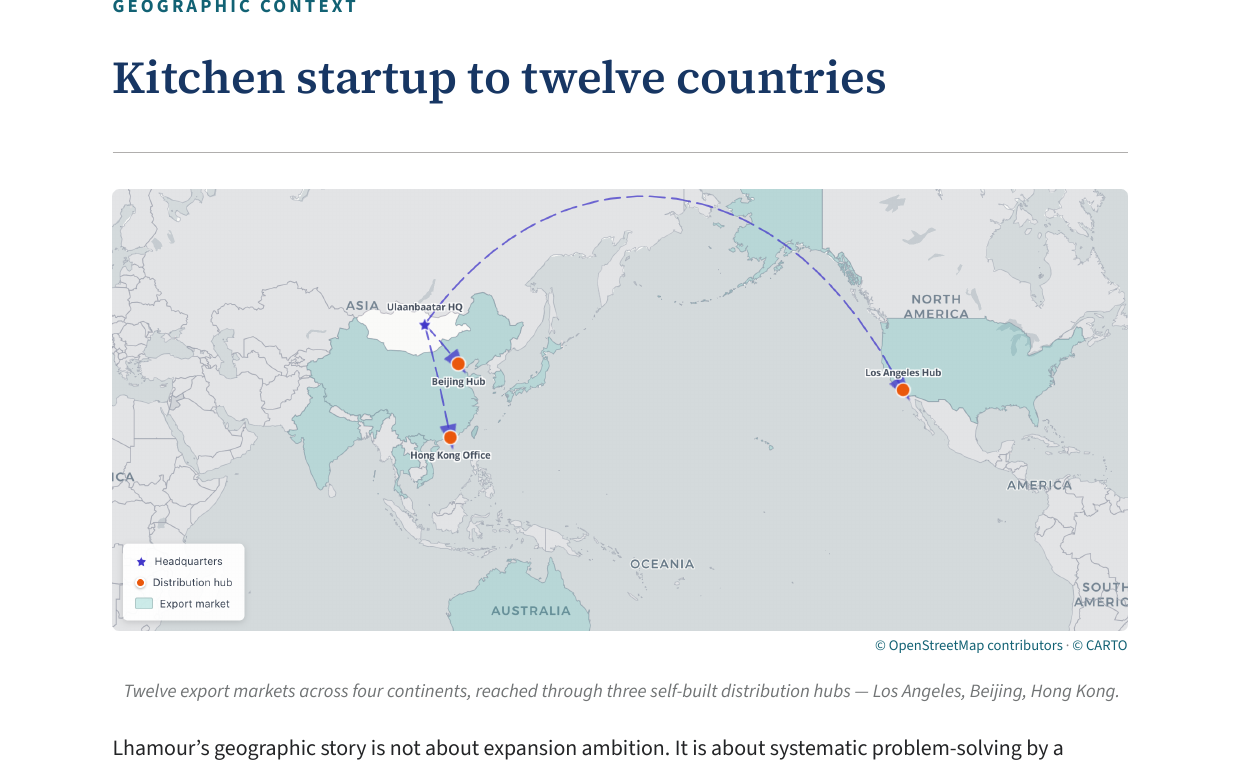
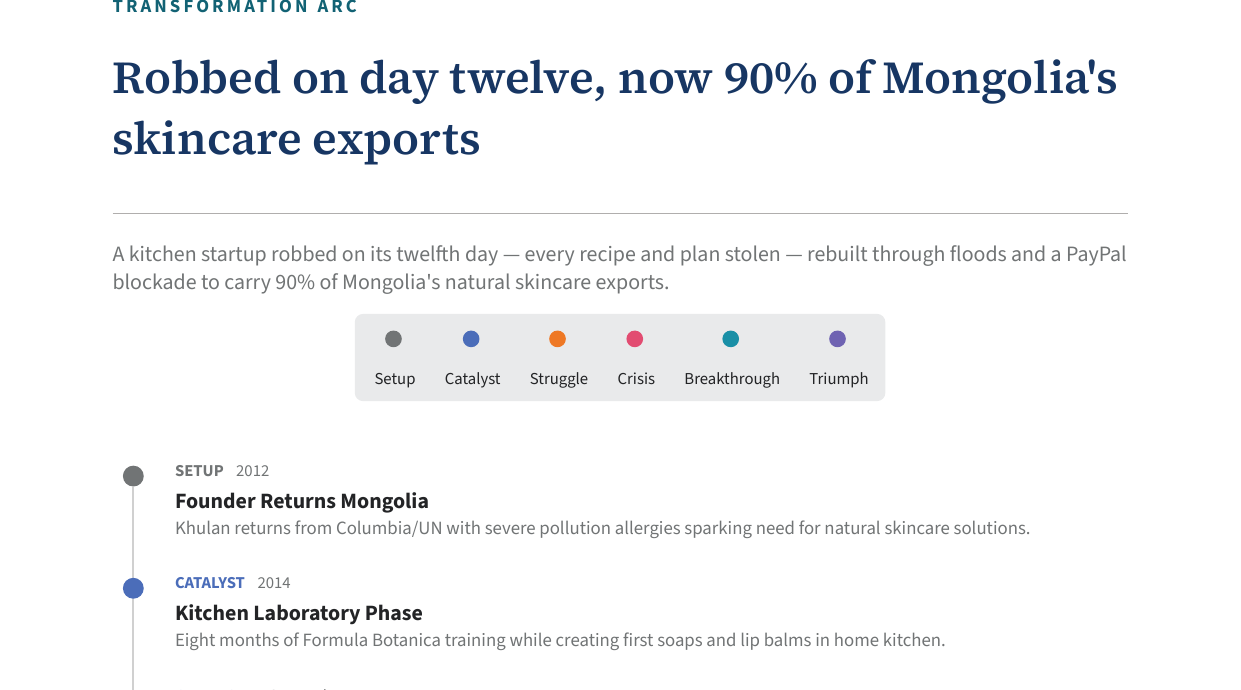
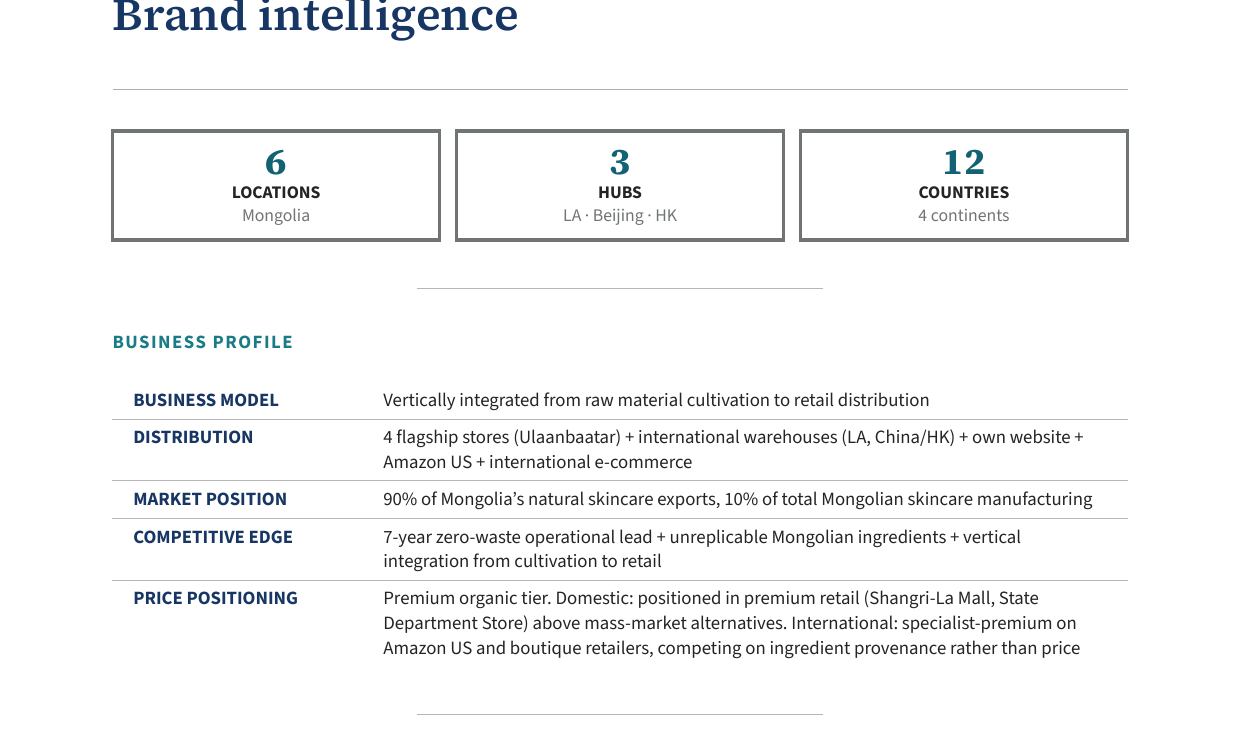
All editions in English, Russian, and Chinese · Compiled within 3 business days
Select any brand or founder to pre-order their Resilience Profile(s) — delivered within 3 business days.
ZNY earned Selfridges and Paris Fashion Week standing over a decade. Sanctions closed that channel in 2022 — so it rebuilt at home instead.
A Chinese-tradition kopitiam pursued halal certification as deliberate Malay-market strategy, not compliance — timed into a boycott wave.
A Moscow streetwear label survived 2022 sanctions and a failed store — a rival ran out of cash — by refusing to raise its ₽2,600 T-shirt price.
Ruban lost every international channel it had by 2022 — then won the domestic luxury tier the departing Western maisons left behind.
Every Western stockist this Moscow house built since 2010 vanished in 2022. Her answer: Russia's first fully domestic collection.
She kept her trademark out of a 2010 investor deal that then collapsed entirely — the one asset withheld became a ₽1.1B business.
A 1990 factory fire nearly bankrupted a home cosmetics business. It rebuilt in two days — and became Indonesia's largest beauty company.
Sales were 'at their best,' its own trade body said. Then a Rp7 billion debt sank a Rp252 billion company with no succession plan for 39 years.

1981: McDonald's landed in Manila with global scale. Jollibee out-tasted it — and by 2025 held 30.7% of the market to McDonald's 10.3%.
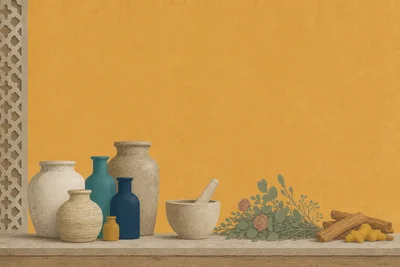
A luxury Ayurveda brand with no category to sell into in 2000 built an 18-year staged buyout Estée Lauder announced completing in 2026.
A ~Rs 7,000-crore Tata sale collapsed in 2023. Chauhan chose a daughter over a buyer — and the numbers since have been mixed, not triumphant.
China's No.1 suit brand became the world's top polarizer maker. Its founder died without a will. RMB33.55bn in claims followed.

A hotel that just posted its best year in a decade collapsed anyway — killed by inherited debt and a decade-long inheritance war.
A Cali retailer that survived multinationals and currency crises for 57 years collapsed six years after its owner died with no successor.
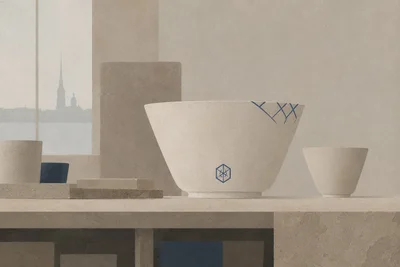
In 2000, a prosecutor opened a criminal case over who owned a blue lattice pattern on teacups from a factory that was already 256 years old.
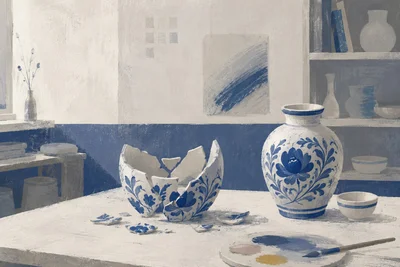
By 2009 Russia's most famous porcelain maker owed 425 million rubles. A conglomerate rebuilt it into a museum, not a factory.
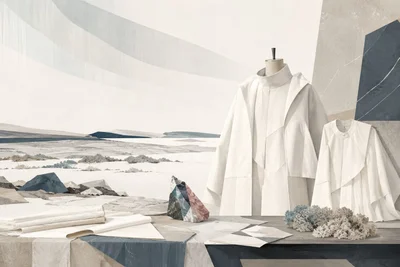
A Murmansk label drifted eight years without an identity, then the 2020 lockdown forced a rebuild around real Arctic material logic.
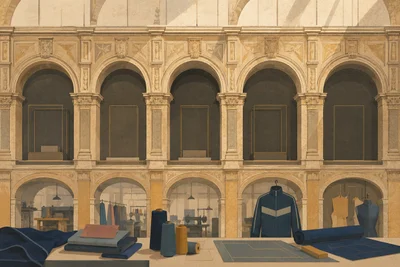
In 2022 every Western luxury house Bosco imported for 30 years left Russia at once. A factory built three years earlier is why it survived.
Chowking's Chinese fast-food niche made rivals reformulate their own recipes — yet stayed too small to outgrow the partner who bought it in 2000.
Her couture was built on being Russian. In 2022 that identity lost its Paris stage — yet 2024 revenue climbed 23.8% past a billion roubles.
A Moscow couture house opened the month the ruble crashed in 1998 — and outlasted bankruptcy, lost buyers and sanctions on breadth, not scale.
Russia's largest men's-shoe maker survived the bankruptcy of its own holding company — because it had never really been just one company.
A French-inspired café won factory and hospital canteens by reading as halal-friendly — yet no federal certificate sits on the public register.
A 2003 Penang open-bakery became a ~31-outlet, three-region chain by industrialising the back end and never franchising — buns still from RM2.
Malaysia's first listed jeweller went public at the worst possible moment — the depth of the 1998 crash — and beat its own numbers.
Rejected by banks and dismissed by rivals — Marrybrown built a 16-country halal QSR empire on the moves KFC and McDonald's could not copy.
Saudi Arabia's most-loved chicken chain refused to open in its own capital for 43 years. The deliberate scarcity is what made it number one.
11 years off-calendar in Paris before FHCM admission. When sanctions removed the slot, the infrastructure that earned it remained.
From a ₽200K Yekaterinburg bet with no fashion training to ~₽786M and the Garage Museum — a federal brand built entirely on its own terms.
He built Russia's most exported womenswear label, lost the name when the investor closed it, then rebuilt it — this time owning every piece.
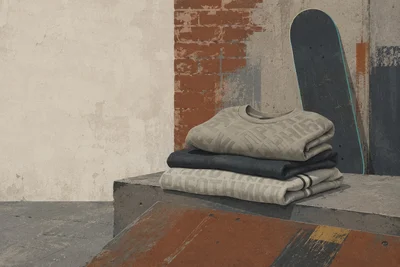
Shut down at peak visibility in 2018. The 2025 Grunovis-FZCO relaunch is legally distinct from the CDG original — not a revival, a reset.
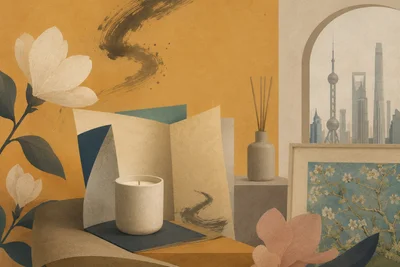
Two crises tested the story-led model. The Golden Teardrop answered both — RMB 418M in 2024 fragrance sales, domestic category leader.
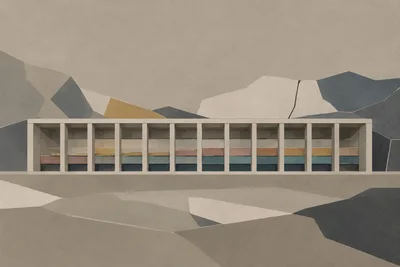
From a Yekaterinburg home showroom to ₽11.9B — twelve monthly capsules, one sanctions crisis, and a GUM flagship on the floor Hermès vacated.

A single Deira outlet in 2000 became ~475 across ~45 countries — a halal QSR built for the emerging-market consumer the majors overlooked.
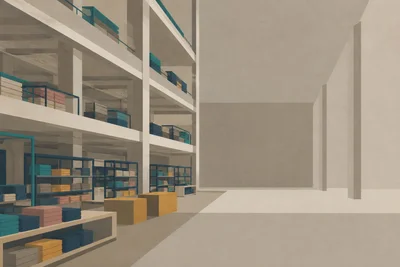
A Samara factory-floor brand captured 9% of the Moscow mall space H&M and Uniqlo vacated — then 5×'d revenue to ₽34.4B in three years.
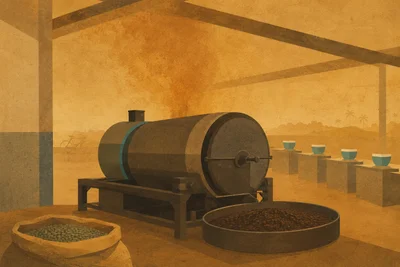
Rejected by 700 of its 800 wholesale buyers, Penang's oldest coffee factory opened its own stores — and invented Nitro Nanyang cold brew.
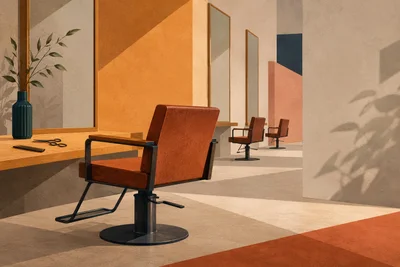
Hairstory turned junior stylists into equity partners — then watched that model hold firm through three consecutive pandemic lockdowns.
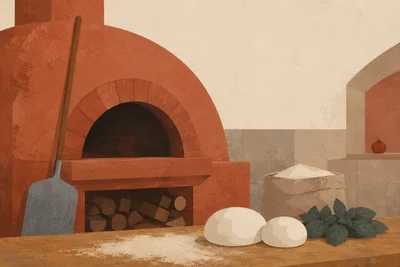
Salerno to Phuket: the family pizzaiolo who built five wood-fired branches supplied by the family's own mozzarella factory in Kathu.
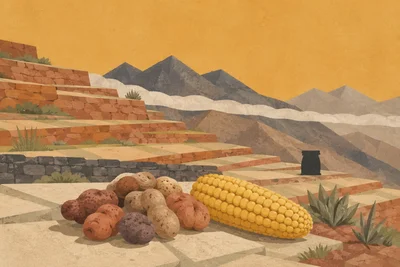
Chile's food-labelling rules accidentally pre-built Peru's snack compliance head start — a 30-year founder bet Alicorp valued at USD 72.2M.
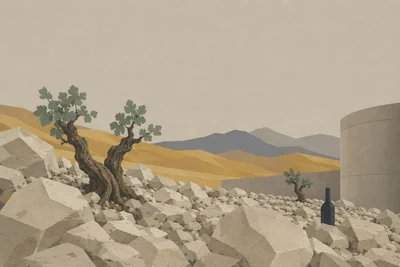
Three generations built this winery through five crises — each one converting an irrigation showroom into the World's Best Vineyard Hall of Fame.
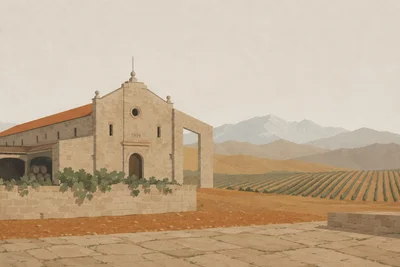
The dynasty that bailed out Norton twice in 36 years wrote no check in 2025. Now 130 years of Mendoza heritage is a court calendar.

China's #3 beauty-services chain survived a collapsed A-share takeover and a pandemic loss year to exit at RMB 1.25 billion in 2025.
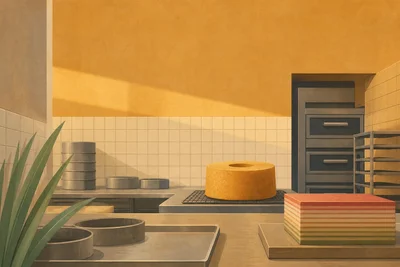
A government shutdown order in 1979 became Singapore's most enduring heritage bakery — S$76M in revenue, no down years, zero compromises.
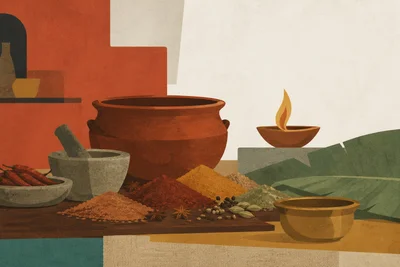
Six-figure rebrand, then a pandemic: 51,790 community meals later, Penang's first Tamil fine-dining restaurant opened on the other side.
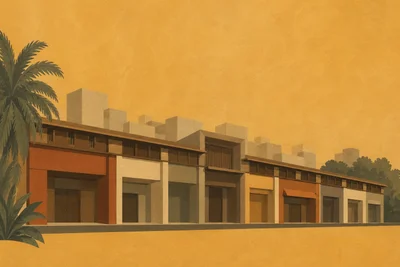
Eight outlets on one Kuala Lumpur street, built by the operator who arrived first and held the lease through revenue at five percent of normal.
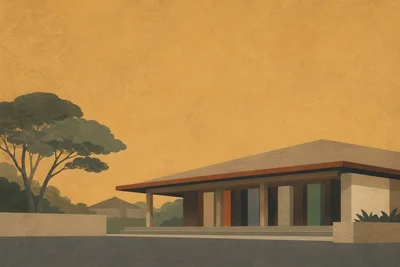
Eighteen restaurant concepts under one founder-owned roof — built on the gambit that premium-priced Indian cuisine could clear MICHELIN.
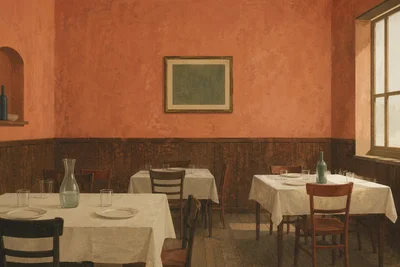
Twenty-seven years on the same Shanghai street — Da Marco closed voluntarily for two months in 2022 and found its customers still waiting.

Mongolia had never known private enterprise. Naran borrowed $8,000 in 1990 — and hasn't missed a TOP-100 enterprise ranking since 2008.
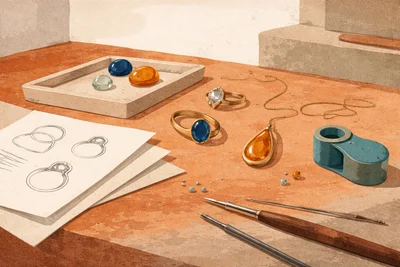
Moscow's JAR-inspired bespoke atelier built clients in London, New York, Zurich with zero advertising — then vanished after 2014 without a word.
Gagarin wore it in 1961. Omega went to the Moon in 1969. Omega became the Moonwatch. This is what happened to the watch that got there first.
A palace photo shoot in 2010 revealed no Russian-style jewelry existed — the gap Aksyonov filled is now in the museum alongside Fabergé.
The Soviet pocket watch factory that survived as a military workshop, then bet its 1947 caliber on a wristwatch renaissance in Tankograd.
A Moscow jewelry laboratory where every ring is an engineering puzzle — pieces that open, transform, and hide diamonds inside mechanisms.
When the ruble crashed in 2014, Gourji lost millions on Italian production overnight — then rebuilt its entire supply chain inside Russia.
Cartier left Russia. Chamovskikh's March 2022 sales hit 400% of plan — earned by Peterhof, a Romanov commission, and the state treasury.
One swallow bracelet. One ruble crash. Ten years later — two Moscow boutiques in the spaces Richemont and Roger Dubuis left behind.

Co-founder died. Founding designer expelled. Russia exited under sanctions. Eight pieces in the Kremlin Armoury — now headquartered in Hong Kong.
LVMH wrote off €210M and walked away. The manager it left behind bought the chain for nothing — then delivered the first profit in 23 years.
Russia's #1 beauty retailer: ₽155.5B revenue on 38 stores. Second-place L'Etoile has 890. The difference is a 700-person in-house tech team.
Every Ismailov asset fell to creditors after his 2009 exile — except the distributor that had never been pledged as collateral.
Dismissed as a lollipop, Officer's Choice survived 160 lawsuits to outsell Johnnie Walker — then listed at 24.85× oversubscribed.
Malaysia's oldest restaurant lost 60% of its workforce in 18 months. Three years later, it opened a six-storey fine dining flagship.
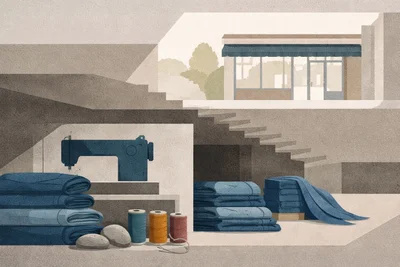
Gloria Jeans seized 200 Western storefronts in 2022 — then discovered that occupying a rival's space isn't the same as earning their customers.
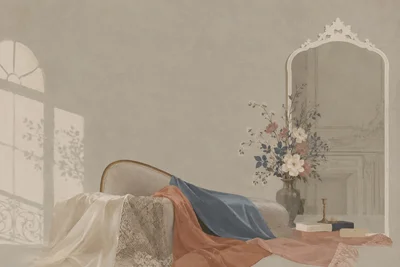
A Moscow house proved "Russian style" meant silk, not matryoshkas — then its founder sold it in three pieces rather than watch it collapse.
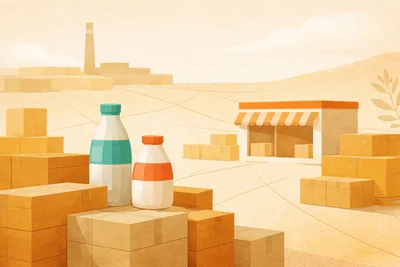
China's deepest distribution network — 1,500 dealers, every township — survived 29 lawsuits against Danone and the death of its founder.
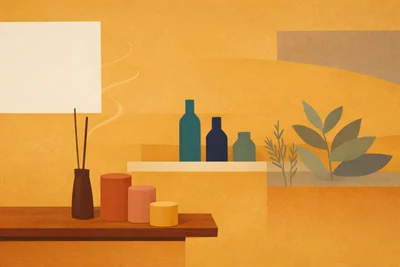
Eight months of zero profit at a Chatuchak stall. Then 80,000 baht in one day. A zero-debt Thai brand became a 16-store lifestyle empire.
Two fired flight attendants built Thailand's most awarded luxury spa brand inside heritage mansions no competitor can replicate.

Never borrowed a baht in 23 years. When COVID struck three months after a $20M resort opening, zero-debt discipline became THANN's survival.

A restaurant chain built around cakes, a halal crisis that shut 297 outlets, and a 56-day sprint that turned compliance into a B2B supply channel.
Every Bangkok mall rejected HARNN. The airport counter they settled for launched a rice bran oil brand to 17 countries and a $30.3 million exit.
Raised prices during a price war, never went public, and holds more kitchen patents than the next nine Chinese competitors combined.
Three syllables from a Renaissance sculptor. A SGD 5,000 loan. A 95% stock crash survived. Southeast Asia's boldest foreign branding play.
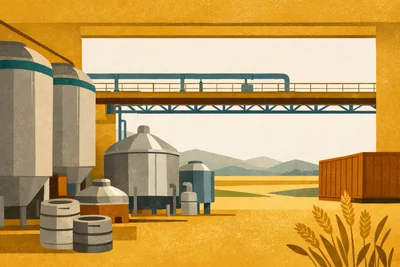
A dead English brewery, shipped 8,500 km to a Pyongyang cabbage field. Now 13 varieties, ~70% market share, exports defying UN sanctions.
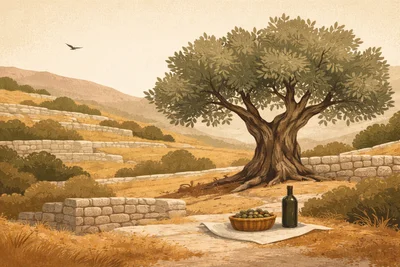
No country code, no sovereign port, military checkpoints between factory and sea — and 600 American retailers stocking Palestinian olive oil.
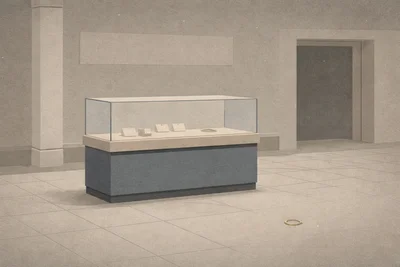
Russia's largest jewelry chain — 397 stores, ₽45B revenue — collapsed in 18 months under ₽31.7B debt after the 2014 ruble crash.
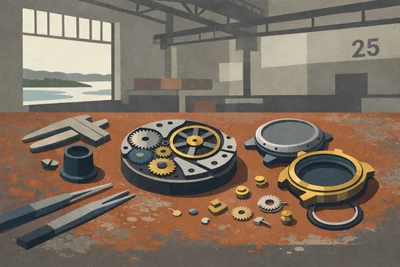
$187 in the bank. A court-declared death sentence. A dive watch whose seal tightens the deeper it goes. Russia's last watchmaker never stopped.
A village with no gold makes 60% of Russia's jewelry. Its dominant company started with nine people — and sold for an estimated ₽30–40bn.
One of a small number of watchmakers globally making its own hairsprings, independent of the Nivarox supply chain most of the industry relies on.
A failed movement four months before Baselworld. Fourteen people. The Joker was born from panic — and sold out in weeks at Basel.
The most advanced enamel jewelry in the world is made by a self-taught Tatar who fires gold at 950°C — fifty degrees from destruction.
Lost its own name for $25,000 in 1951. Watched it sell for $1.55B on toilet cleaner. Recovered it for $38M. Still unprofitable.
When Russia's diamond monopoly cut off its rough supply, EPL Diamond survived with a ₽500M state guarantee — then grew to 120+ stores.
Russia's only carbon-fiber jeweler lost its namesake designer in 2016 — and the rebrand proved more generative than the original.
Thirteen years in Italy, then he scrapped it all. Six months of failed production later, fifty craftsmen who stunned Valenza.
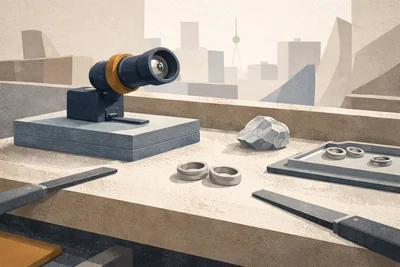
A former sniper-scope polisher now sets gemstones at Avgvst's Ural factories. When sanctions hit, the brand split in two and grew 40%.
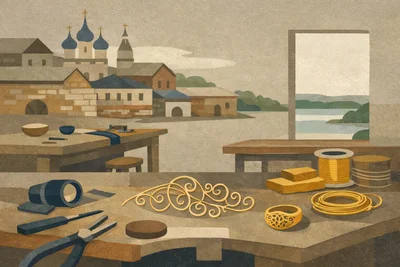
A bankrupt factory with six months of unpaid wages during the 1998 crash became the core of Russia's first vertically integrated jewelry empire.
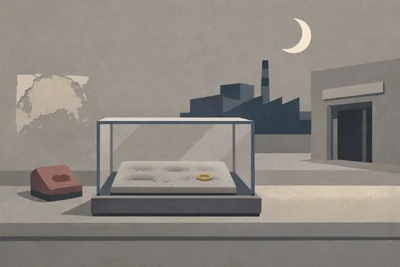
RUB 27.5B in bankruptcy claims, three executives prosecuted, 30 rivals destroyed — and the brand sold for RUB 6.5B eight years later.
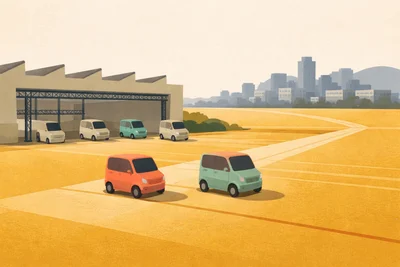
A minivan maker in a third-tier Chinese city built a $4,500 USD EV with no airbags. It outsold Tesla globally within six months.
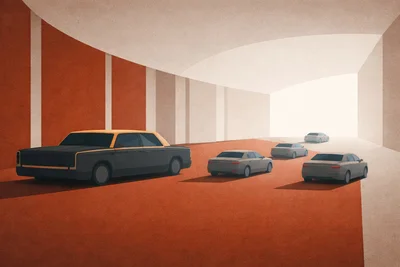
China's presidential limousine sold 4,700 cars in 2017. One radical transformation later: 460,000 — but the EV push is stumbling.

Geely's first EV brand collapsed into ride-hailing fleets. Its replacement, Galaxy, delivered 494,000 vehicles in its second year — the fastest ramp in Chinese auto history.

BYD built a brand for a category that barely existed. Then it nearly destroyed buyer trust before selling 50,868 vehicles in a single month.
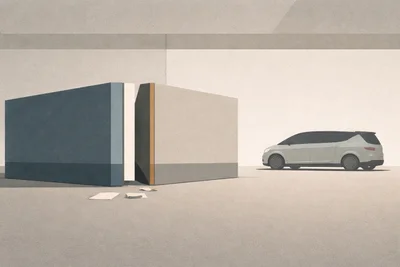
An eleven-year joint venture burned RMB 7.76 billion on 23,000 cars. Then BYD seized control and bet the relaunch on a minivan.
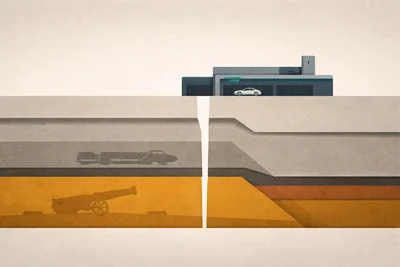
A weapons factory lost every profit engine at once. Its CEO fired 100 managers — and built three electric brands from the wreckage.
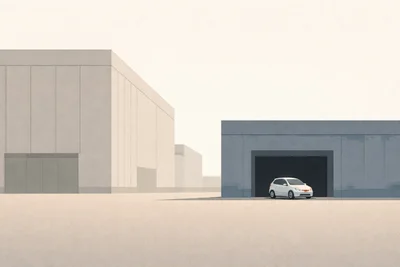
FAW's neglected budget brand lost ¥18 billion while Hongqi got everything. A $3,700 micro-EV named Pony delivered 200,000 units in 20 months.

BAIC's Arcfox sold 266 cars in a single month. Three years and one complete identity surrender later, it sold 160,000 in a year.
Forty brands cut prices when Tesla slashed the Model Y. Zeekr loaded more technology into cheaper vehicles — and tripled its margins.

184 cars sold the month XPeng launched its flagship G9. Stock crashed 80%, ten executives left. Two years on: 197,000 vehicles in six months.

When 400 Chinese EV brands collapsed, a phone company delivered 50,000 car orders in 27 minutes — and 600,000 vehicles in 22 months.
Worst per-car loss in Chinese EVs in 2022. Three years later, Voyah replaced its Fortune 500 parent on the Hong Kong Stock Exchange.
NIO's finance team counted cash in ¥10,000 units while the stock sat at $1.19. The gap between survival and collapse was 1,000 vehicles.
First product killed by regulators. Technology mocked as backward. Became China's first profitable EV startup — then MEGA wiped ¥100 billion.
Leapmotor's first car sold 1,000 units and triggered a government recall. Five years later, the company delivers 1,600 vehicles per day.
SAIC's profits fell 93%. IM Motors sold 455 cars a month while its closest peer went bankrupt. Survival required gutting its own price strategy.
480,000 EVs delivered in one year — and Chinese consumers still call it 'the taxi car.' A ¥103B unicorn trapped in the wrong lane.
97 employees sold their homes for a state-owned EV startup. First month: 879 deliveries. Three years later: 700,000 across 100 countries.

In 2010, BYD's quarterly profit dropped 99% and Elon Musk laughed on camera. A decade later, BYD outsold Tesla and surpassed its revenue.

A $5,000 soap formula became Russia's top organic brand. Then the founder died without a will—and the fairy tale outlived its storyteller.
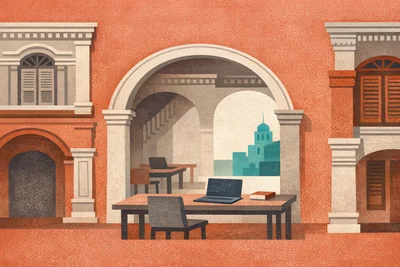
Five weeks after raising US$500K, Malaysia locked down. Forward College had 17 students and no backup plan. Every graduate has a job.

From nine vehicles in its first month to 10,000 a month by 2024, Avatr shows what China's CHN triple alliance can build from nothing.
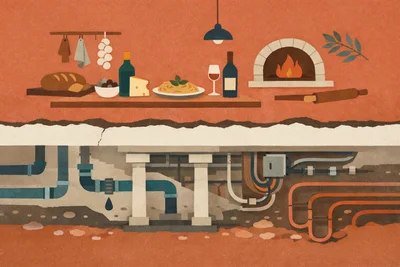
A freight forwarder, not a chef, built China's largest Italian food brand. When Shanghai locked down ten venues, his supply chain held.
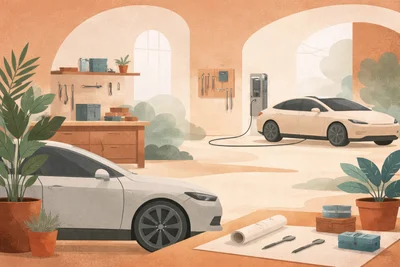
In 2020, Seres sold 732 electric cars. It gave its brand to Huawei. Three years later, AITO outsold BMW in China's luxury segment.
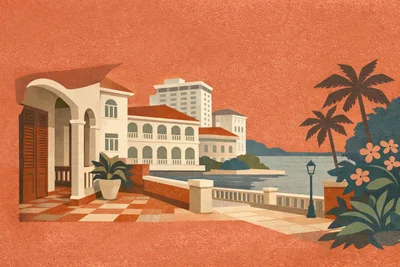
Four Armenian brothers from Isfahan built it in 1884. Bankruptcy, occupation, and fifty years of neglect followed — the E&O refused to die.
Founded in 1892 on a dinner-party remark. Survived bankruptcy, occupation, and revolution. Won China's first-ever Decanter Best in Show.
746 monasteries burned to erase Mongolian traditional medicine. One healing lineage survived in secret. The tenth generation now sells it.
Zero capital, zero connections. A 20-year-old sold 5,000 bath bombs in 90 days and built Mongolia's first organic empire — no outside investors.

Seven Shopify products hide a 500-year medical dynasty — 120+ herbal medicines, 1,300 pharmacies, and Mongolia's highest medical honor.

She left a 161-country cosmetics career to return to a Mongolian farm. Four staff then built a four-country export architecture for 12 markets.
A food mixer and three employees in 1989. Zero revenue by 1992. The nettle shampoo that survived became Mongolia's first cosmetics export.
When currency collapsed, most wine retailers contracted. Invisible grew 125% by buying what importers couldn't sell at any price.
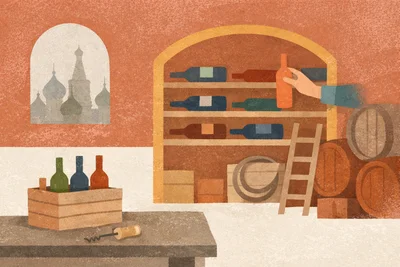
A €30,000 whisky bottle sits in SimpleWine's Moscow headquarters—debt payment from the 1998 crisis when currency was worthless.
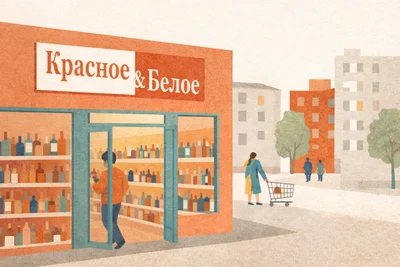
23% margins in an industry built on 150%. Russia's largest alcohol retailer proved volume beats premium by opening 20,527 stores.
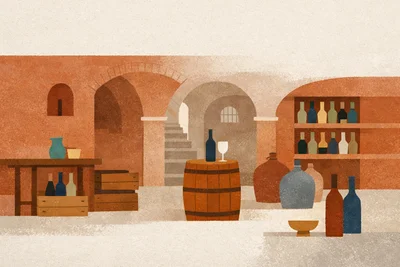
When 60% of Fort Wine's revenue channel vanished overnight in March 2020, the company matched peak holiday sales levels and grew exponentially.
A 40-year industry veteran's boutique winery survived 754M rubles of bankruptcy. Six years later: Forbes TOP100Wines.ru 2021.
No distributor would touch Russia's first licensed family winery. Four years later, hand-painted bottles sell from Sochi to Vladivostok.
Purchased land for apple storage. Discovered 2,000-year-old fortress ruins and extinct French grape variety. Now Russia's #3 Sauvignon Blanc.
Nine years on volcanic blue clay to earn Russia's second wine appellation — a craft bet that valued irreplaceable geology at $20 million.
Seven gold medals at Mundus Vini in a single vintage. First Russian winery to achieve it. Now $80 bottles that win European competitions blind.
Russia's standard vineyard density is 3,000 vines per hectare. Château Sort planted 6,700—and turned skeptics into believers.
A Tsar sampled wine here in 1837. Sanctions mean you never will. Crimea's most exclusive winery produces 40,000 bottles for Russia alone.
153 years across five Russian regimes ended in 2022 liquidation. Within a year, Russia's largest wine portfolio acquired the trademark.
Two distributors walked away. Wine Spectator dismissed Russian wines. Then this construction CEO reached World's Best Vineyards #20.
Bankrupted twice on the same debt. 2.7km of Stalin-era tunnels. A grain billionaire's sparkling wine bet—then a 2026 state seizure.
Bankrupt in 2014 with 75% of vineyards lost, revived to 6 million bottles—then seized into Russian state ownership in April 2026.
A frozen vineyard destroyed $2 million. The response: university at 43, indigenous grapes nobody wanted, and Russia's first Luca Maroni score.
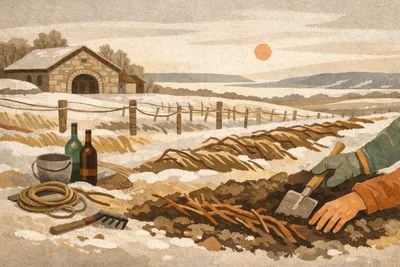
He made his fortune in potatoes. Then buried grapevines at 53°N where winter hits -47°C. The 2019 frost killed half his harvest. He kept going.
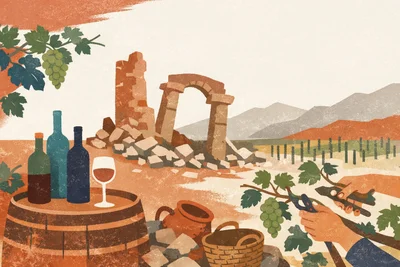
He produces only 100 bottles per wine from his basement. No retail, no prices—just free tastings that draw celebrities to Dagestan.
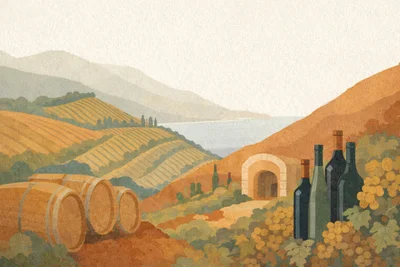
Helicopter search for one hectare found 200. Forbes billionaire agreed instantly. Four years of losses before Russia's Wine of the Year.
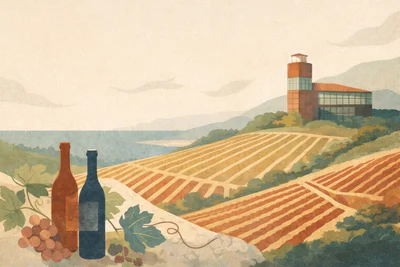
Billionaire rescue capital, a highway 'lighthouse' winery, Russia's first World's Best Vineyards entry—from a project profitable only in 2024.
21 years of organic farming, no certification system. $15M in losses, forced sale. Then in 2022: first organic certification in Krasnodar.
Every fifth bottle of Russian sparkling wine flows from cellars a Tsarist count built in 1860. The factory nearly died in 1993.
Kremlin toast in 2012. Bankrupt by 2018. Michel Rolland consulting by 2021. Russia's first French-style winery refuses to die.
A minister's wife, $20M in state loans, and Black Sea terroir at Bordeaux's latitude. Result: TerraVino 2022's 'Best Wine of Russia.'
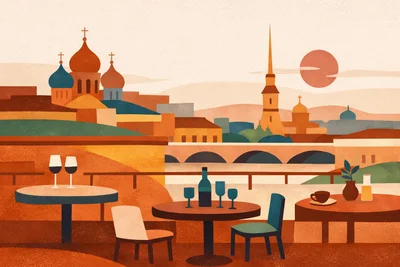
Four crises in twenty years. 150 restaurants built through counter-cyclical expansion. The empire that grows when competitors close.
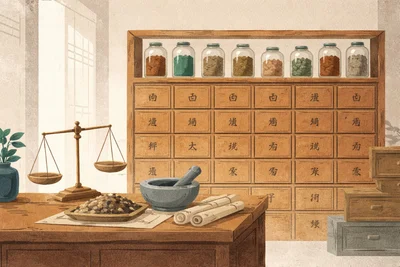
Uncles sold this 111-year-old TCM company to developers. Heirs bought it back for S$21 million—then sold it for S$808 million.
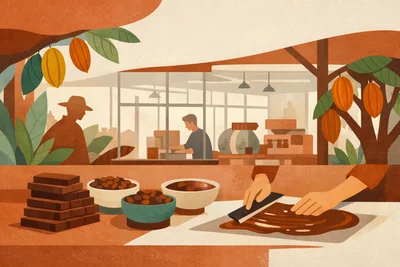
Malaysian cacao crashed 99.9%. This company pays farmers 3x market rates and won the country's first international chocolate awards.

Nine years between funding rounds—surviving on margins while competitors burned cash. Now holds the world's first TCF diaper patent.
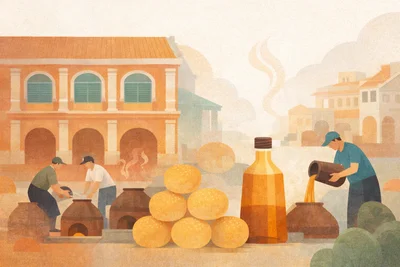
168 years old, seven in court. Four families nearly destroyed Malaysia's oldest confectionery. Sesame oil—not pastries—now 70% of revenue.
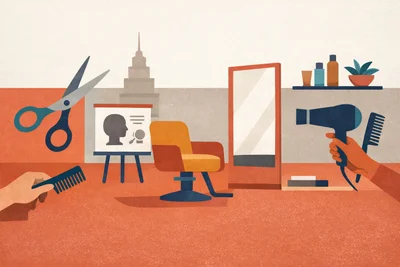
A 428-square-foot salon became Malaysia's premier hairstyling empire after an 8-location express chain taught its founder when to cut losses.
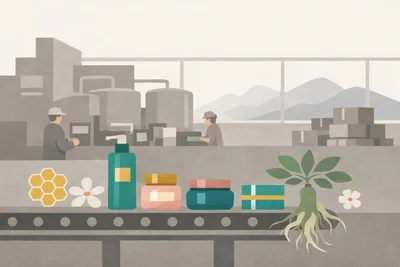
UN sanctions banned chemical imports. Unhasu pivoted to indigenous ingredients in weeks—6x production growth, 13x export surge by 2023.
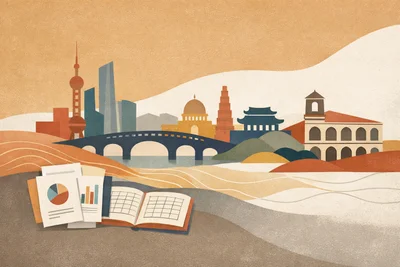
A misspelled surname, $500, and Deng's Southern Tour. Thirty-two years later: 27 offices, $50M revenue, six crises survived by staying put.

Launched during SARS into Shanghai's missing middle. Academy-trained consistency scaled across continents—then survived the founder's full exit.
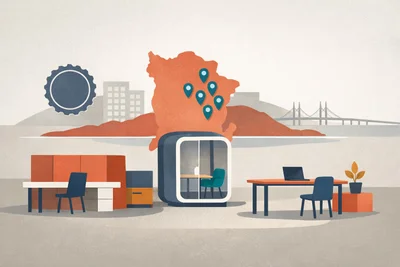
From 200 sq ft during the 2008 crash to 100,000 sq ft across 7 locations. ISO 9001 certified. VC-backed rivals folded; ADA survived both crises.
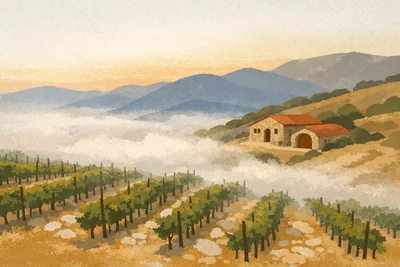
Russia's first sommelier champion planted biodynamic vines at 450m using methods no one had tried. Fourteen competitors followed.
Hebrew name. Israeli design. Chinese production. Russian stores. Boris Ostrobrod disguised "Russian" as "foreign" when domestic meant cheap.
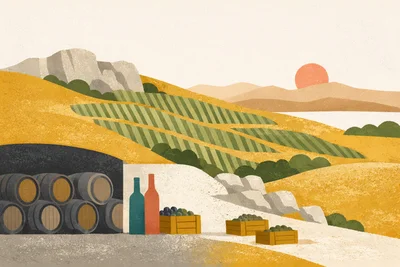
Igor Samsonov died at 46. Eleven months later, Forbes crowned ESSE Winery of the Year. His quality systems outlived him—Crimea's boldest bet.
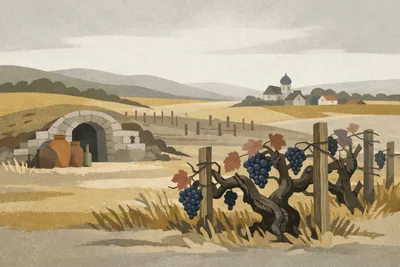
Soviet authorities destroyed 93% of Don Valley vineyards. One patriarch refused to cut a single vine, preserving 30+ extinct varieties.
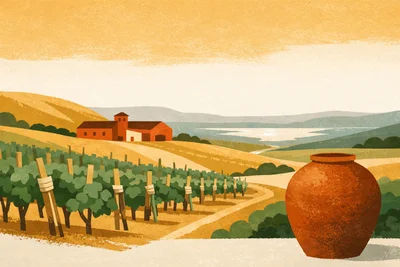
A grandfather bought land when his grandson Mark was born. Eleven years later, Marko became Stavropol's sixth licensed winery.
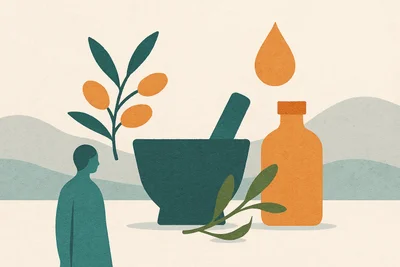
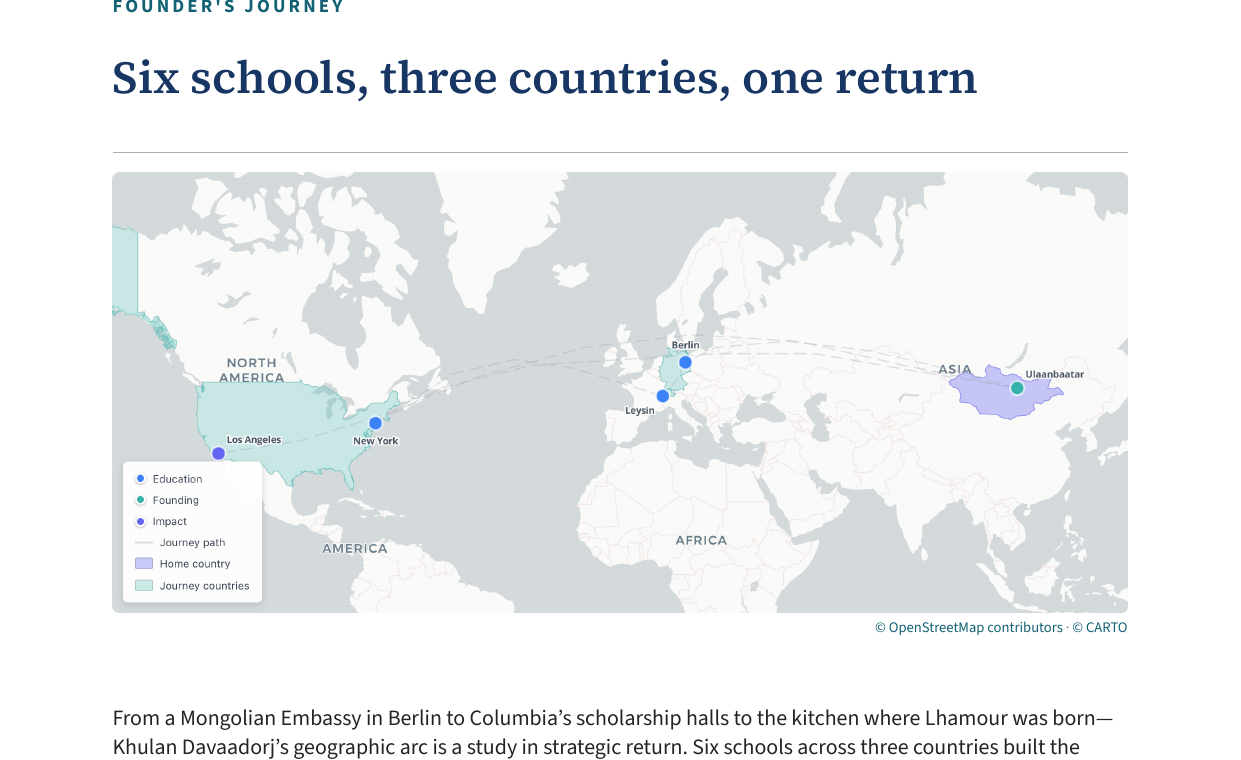
Twelve days after opening, thieves stole everything. Khulan caught the thief herself, survived three floods, built Mongolia's export leader
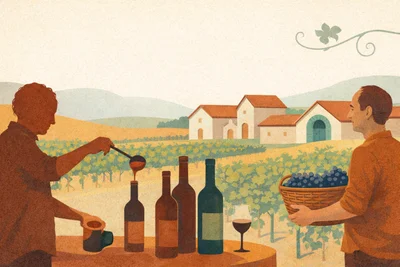
Russia's #31-ranked winery produces just 5,000 bottles annually—by two professionals who kept their day jobs and work weekends only.
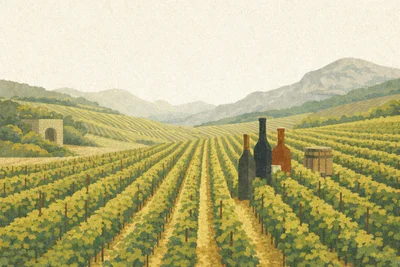
When Italian nurseries refused Crimea shipments, these auto billionaires found Serbian suppliers—then planted Russia's densest vineyard anyway.
Computing engineer → pharmaceutical magnate → vintner. 28 French trips before first vine. Three generations of botanical knowledge.
Russian Orthodox Church spent eight years preparing. Debut year: #12 nationally at 93.5 points. Two years in: Double Gold at Terravino.

Three years after annexation closed Western markets, a father-son team built a Forbes-recognized winery on sanctioned Crimean soil.
Eight years from borrowed licenses to Grand Prix champion. A self-taught ceramics maker built one of Russia's ten Laureate wineries.
Loans at 24%. Twelve years unprofitable. Friends watching her 'descend into a pit.' Then Certificate №001—Russia's first federal license.

From Ufa to Paris Fashion Week. Zero ad budget, Instagram-first. 150 stockists at peak—yet founder admits "all the same doubts—they are endless."
200K Fab Bag subscribers became SUGAR's secret weapon. Failed subscription transformed into a customer database L'Oréal can't replicate.

Zero TV ads. Zero magazine spreads. 15,000 KOL partnerships. Perfect Diary proved trust networks beat ad budgets—#1 on Tmall.
The harbor where the Light Brigade charged in 1854 now produces 10 million bottles of sparkling wine annually from 135 years of heritage.
A converted dairy factory. Russia's first still Pinot Meunier. Forbes Top100 at 93 points. All while Western sanctions closed export markets.
750,000 rubles per bottle—a Russian wine record. Krasnostop Zolotovsky grapes are DNA-verified to exist nowhere else on Earth.

A 300-year winemaking tradition nearly died in 2018—not from market failure, but one death without succession. 720M RUB debt.
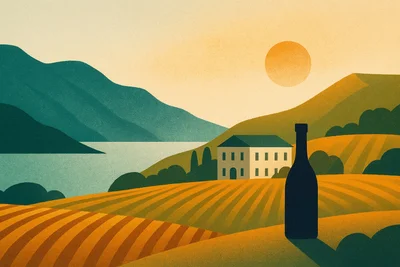
Russia's champagne birthplace. Prince Golitsyn carved cellars into coastal cliffs in 1878—tunnels that supplied tsars and outlasted regimes.
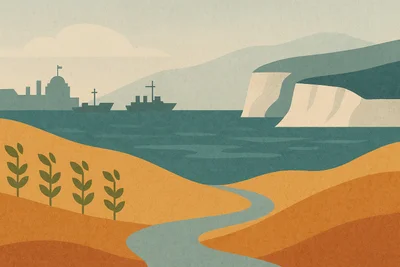
Sold at market peak for $50M. Bought back for $15M when the bank's president fled abroad. Now 400+ stores built from 1936 Soviet roots.
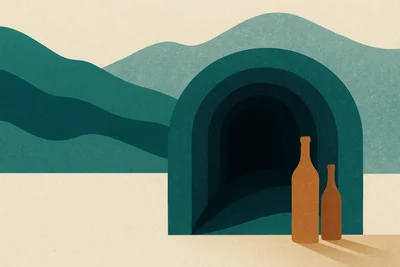
In 1917, workers bricked up seven tunnels to hide the tsar's wines. The million-bottle collection survived five regime changes.
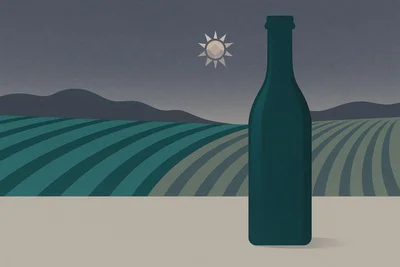
$110 million and Château Mouton Rothschild's winemaker built Russia's first 91-point Parker wine. Bankruptcy. New owners inherit.
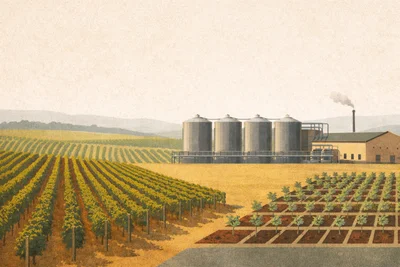
Two engineers spent $100M building Russia's largest winery—100% own grapes, 95.5M bottles. Then the state took it in 37 days.
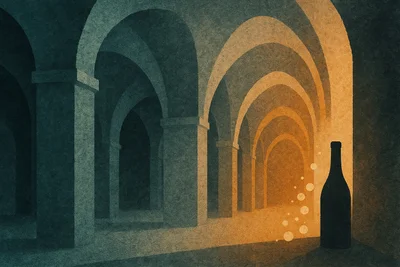
Europe's largest underground cellars—55,000 sqm carved into Roman quarries where natural limestone maintains 14–18°C year-round.
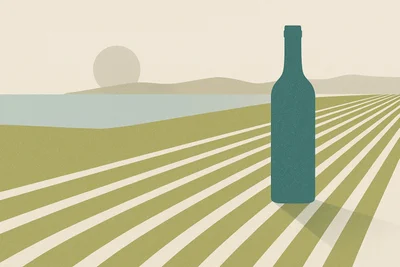
Soviet bulk winery hired an Australian consultant in 2004. Today: 36.6 million bottles, Parker 97, 800K bottles to China yearly.
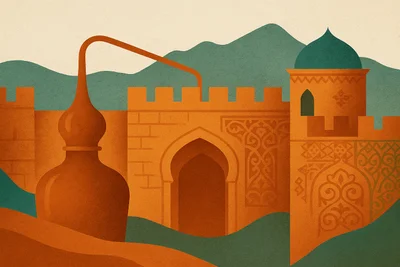
Gorbachev closed 600 liquor facilities—Derbent preserved its vineyards. 1998 devastated the industry—Derbent survived. 163 years.
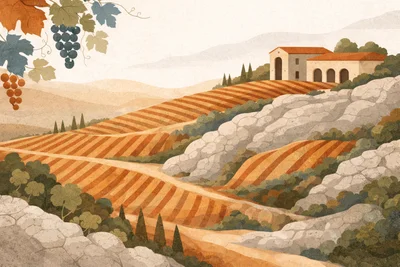
EU sanctions closed exports in 2014. Alma Valley built Russia's only gravity-flow winery, won IWSC medals, rode import substitution.
Imperial decree, Soviet survival, Western sanctions. In 152 years, Abrau-Durso has outlasted every force that tried to end it.

President & CEO
He spent 30 years building storefronts he called his "trust factor." In 2020, he closed every one of them — on purpose, not from defeat.

Founder
Two failed production runs wiped out Georgy Yashin's ₽70,000 starting capital — his own mistakes, not bad luck. He sold his car and kept going.

Managing Director and Co-Founder
A phone salesman with no F&B background applied one hard-won lesson from a business he left, building a listed kopitiam chain in five years.

Creative Director
He didn't name his brand after himself — he legally changed his own surname to match it, then spent a decade printing his reckonings on T-shirts.

Founder & Creative Director
Her husband sold his parents' paintings to fund her first collection — 24 years later, she's still the only one who answers for it.

Co-Founder & Creative Director
As her couture line kept contracting under pressure, Alisa Ruban's answer was the opposite of simpler: more complex pieces, not fewer.

Founder and Creative Director
No design school. No patron. No oligarch backer. She still reached the ANDAM final six and the LVMH Prize — on self-taught conviction alone.

Founder and Chief Designer
When rumors of criminal exposure buried her name in 2010, she answered with a runway show of empty robes — and said nothing else.

Founder and Executive Chairman
He beat McDonald's in 1981. In 1998 his own solo bet on China failed — and that failure became the acquisition strategy JFC still runs on today.

Chairman
An MIT-trained engineer bet on tasteless water in 1969. In 1993 he lost the soft-drink empire he'd built — and rebuilt everything on water alone.

Founder and President Commissioner
Her first Wardah launch flopped in 1995, five years after a fire nearly ended the business. She pivoted — and built a cosmetics giant.

Founder & Managing Director
Divorced, orphaned, and broke by her late twenties — she didn't start her first business until 45, with Rs 2 lakh and two employees.

Owner and CEO
Jaime Cardona said no one is indispensable. He led La 14 for 32 years and worked until the night before he died — proving himself wrong.

Founder & President
An engineer who bet US$40M in private capital that São Paulo could support a five-star hotel — and delivered it in 18 months.

Founder & Chairman
Kusnirovich calls 1998's default 'a cold shower I still remember.' The discipline it taught saved his empire in 2022's larger crisis.

Founder & Designer
A Murmansk designer spent years making "collections made for the drawer" to satisfy others — until 2020, when she bet on Arctic roots instead.

Former investor-owner
A debt-claim rollup built three wineries over nine years — then a 2026 court seized ₽62.5B in assets within two months. Appeal unresolved.

Founder, Chowking; Chairman, St. Luke's Medical Center
Kuan built Chowking on his father's recipes after a family ouster — then sold his half at its peak to the partner who started it with him.

Founder and artistic director
One handwritten note made her a 2018 industry outcast. Three years later she was the first Russian woman in Paris couture's inner circle.

Founder and Designer
He turned down Max Mara to build a house he'd never license — then called himself 'a complete fool' for choosing art over an empire.

Founder & Managing Director
He admitted he knew nothing about baking. When his hired baker walked before opening, he opened anyway — and built a 14-outlet Penang group.

Founder, Owner & General Director
An engineer built Russia's largest domestic shoe maker — then faced a ₽3.2B tax war and a criminal case, and kept it running through both.

CEO
He spent four decades refusing to expand the Kingdom's favourite chain — then chose, on his own terms, the moment to let it grow.

Founder
A canteen boy with RM3,800 and three failed ventures behind him built Malaysia's best-known jewellery house — by selling diamonds in a gold town.

Founder
A refugee staked his last money on the Kingdom's first chicken counter, then died two years in — leaving his sons a debt and a lost recipe.

Co-Founder & Group Managing Director
A nurse walked into a bank with a fast-food proposal. The officers laughed. She opened Marrybrown anyway — and ran it for 44 years.

Founder & Chairman, Marrybrown
Banks refused his plan. He opened Malaysia's first homegrown QSR anyway — now the world's largest halal chain of Asian origin.

Founder & Creative Director
PTU cutter from Saratov to closing Paris Couture Week — when geopolitics removed her name from the calendar, she returned off-schedule.

Co-Founder and Creative Director
Cancer survivor, refugee child, grieving collaborator. She built Russia's most recognized independent fashion label through all three.

Designer and Creative Director
He walked away at maximum visibility in 2018 and did not explain why. Seven years later, the relaunch is the first collection he actually owns.

Co-Founder and CEO
Walked out of law school exams to bet on fashion — then spent a decade building the machine that turned ₽200K into ₽786M in annual revenue.

Designer and Sole Owner, Sashaverse
Sixteen years as the creative face of a womenswear label he didn't own. Sashaverse is what he built once he understood the difference.

Co-founder and CEO
He co-founded 12 STOREEZ with the woman he married, survived two years of sanctions, announced a divorce — and kept running the company with her.

Co-founder and Creative Director, Beast (野兽派)
The Dragon TV director who sold flowers as editorial — until an OEM scandal made her the story, and she had to discover what it was made of.

Founder and Chairman
He arrived in Dubai on roughly US$50 a month. Thirteen years of trucks and warehouses later, he opened a fried-chicken shop in Deira.

Founder & Owner
He named his first label after himself, then spent decades erasing his name. LIMÉ reached ₽34B; its founder hasn't spoken to press since 2019.

Founder & General Manager
Turned 50 years of Sumar family Cusco corn into a USD 120M snack empire — then sold 60% to Peru's largest food company and kept the rest.

Chief Executive Officer
He drank himself sick perfecting a coffee. When 700 of his family's buyers rejected it, the fourth-generation heir built a new way to sell it.

Founder & Group CEO
Four years of apprentice wages — no capital, no family support. Two decades later, the Penang Governor gave him a state honour.

Founder & Pizzaiolo, Pizzeria Da Moreno
Moreno Vaiano, Salerno-born pizzaiolo: five wood-fired pizzerias in Phuket, one family dairy, zero shortcuts on the Neapolitan disciplinare.

Head of Winemaking and Viticulture
He cancelled his MBA, cleared 1,000 truckloads of stone from a site everyone called unfarmable, and built three 100-point Parker wines.

Founder and Managing Director, Bengawan Solo
Ordered to stop selling cakes at 31, she opened a shop instead. Forty-six years later, she still tastes every batch at the factory.

Chef-Patron, Fire by Shankar
The Sussex lawyer who refused the bar exam — then built Malaysia's leading Tamil restaurant through a fifteen-year deliberate exile.

Founder & Managing Director
Goan-Indian, Taj-trained, in KL since 2000 — and the operator who rebuilt a 13-brand group from revenue at five percent of normal.

Founder & CEO
An engineer cooked his mother's Sri Lankan recipes for friends in a KL apartment. A guest asked why this food existed nowhere in the city.

Chef and Co-owner
He built a six-city Italian chain in Shanghai—then shrank it back to one restaurant because the empire cost him more life than it returned.

Founder & Director, Setsuka Shop
Flew to Vietnam for a glove contract; came home with masks and an infant on her chest — and built Mongolia's only Vietnamese beauty network.

Director
Named her company after her daughter, built 50+ stores — became the first Mongolian on Kangchenjunga while they recovered from COVID.

Founder and Creative Director
A boy from Moscow's roughest outskirts who skipped school, taught himself physics in a garage, and became Russia's most inventive jeweler.

President
A Vilnius PE teacher discovered Soviet watches were mispriced on a Budapest promenade in 1989. Thirty years later he owned Gagarin's watch brand.

Creative Director
Aksyonov sold work at Christie's, found it hollow — the emptiness that followed built Russia's only historicist jewelry house.

Founder and Creative Director
A Soviet diplomat's son raised in Bucharest, Dmitry Gurzhiy discovered at 15 that Russia was home — and spent decades making it beautiful.

Chair of Strategic Council
She joined through marriage, inherited through grief, and built Russia's largest beauty chain to $1.1 billion — without a roadmap or a mandate.

Founder & CEO
No public biography before 2015. One chain, ₽8B in debt, 88 shuttered stores — and the only person in Russia who saw a viable business.

Co-Founder and Creative Director
Her husband told her she was crazy for spending personal savings on a jewelry workshop. In 2022, he acknowledged it was already a huge business.

CEO and Owner
Managed Russia's top wine distributor for 25 years before owning it — buying from an exiled oligarch while creditors seized everything else.
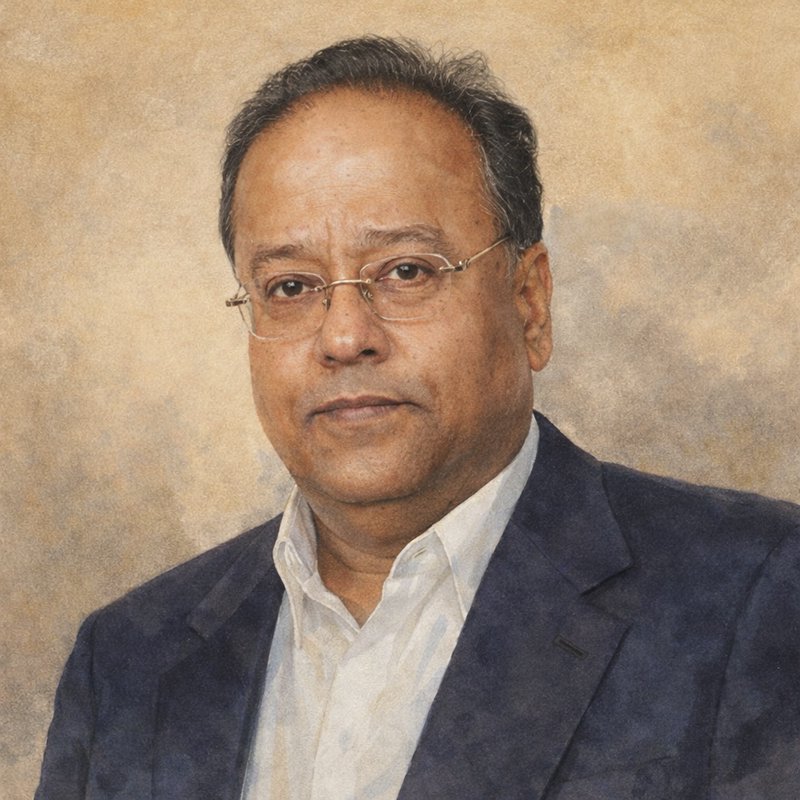
Non-Executive Chairman
Left his brother's empire with a subsidiary dismissed as a lollipop. Survived 160 lawsuits. Built the world's best-selling whisky.

Founder & CEO
Three-time Soviet prisoner who turned underground jeans trading into Russia's largest fashion empire — still haunted by what prison taught him.

Founder and Chairman, Wahaha Group (1987–2024)
Fourteen years of manual labor, then ¥140,000 borrowed at 42. Built a ¥78B beverage empire. Beat Danone in 29 lawsuits. Died reviewing documents.

Former Chairman, Wahaha Group; Founder, Hongsheng Beverage Group
Inherited a ¥70B beverage empire designed for one man — then a $2.1B claim from three unknown half-siblings forced her to build her own.

Co-founders & CEO/CMO
Two flight attendants laid off after 9/11 opened a spa with 90,000 baht and four rooms. A friend said it wouldn't last. It lasted 25 years.

Founder & Creative Director
About to fly to India, a friend pointed to an empty stall. He found his grandfather's incense board instead — and built a 16-store scent empire.

Founder
He designed a Hong Kong train station, then made soap with $1,500. Every Bangkok mall rejected him. Nineteen years later, HARNN sold for $30M.

Founder & CEO
He fled the towers on 9/11, left Deloitte for jasmine petals. 21 years later, KOSE paid $79M USD for what buyers called impossible.

Managing Director
Quit a 250,000-baht Australian salary on his boss's advice. Every Bangkok retailer rejected his Thai skincare. He proved them wrong from Tokyo.

MD & Creative Director
Thailand's most stylish woman left fashion to grind Thai flower pollen into serums. Two decades later, surrender saved the brand.

Chairman and President
Rejected his father's empire, walked out over a brand name, spent four years reading Confucius — then outgrew every listed competitor.

Founder and Group Executive Director
RM15 a month at fifteen. A listed company at forty. A 95% crash and a child lost at forty-four. He built an empire because family needed him to.

Founder & CEO
A cultural anthropologist abandoned his US green card to return to occupied Jenin and build the world's largest fair trade olive oil operation.

Founder & Creative Director
She couldn't draw and knew nothing about jewelry. Within months she won the Swarovski Grand Prix. A decade later, six stores in three countries.

Former Owner & Turnaround Operator (2021–2026)
Resigned from the Duma to fix Russia's most toxic brand. Two years of losses later, sold Adamas for an estimated 5–15x return.

Founder and Chief Inventor
A Soviet radio engineer taught himself watchmaking from textbooks. No mentor, no school, no Swiss ecosystem. Now: 110+ patents, a world record.

Creative director and master jeweler
Rejected by Kazan's factory masters — no training, dentist tools for equipment. Nineteen years later: Hong Kong's top prize, twice.

Co-founder (fugitive)
Built Russia's largest jewelry chain on ₽70B in bank loans. Courts ordered ₽14.2B repaid personally. Fled to Israel, now bankrupt in two countries, trapped in one.

President and Founder
A dam builder who found jewelry through selling Chinese jackets rescued a bankrupt factory with 1,000 unpaid workers in the 1998 crash.

Chairman
He didn't know the difference between quartz and mechanical. He bought a centuries-old factory with his friends' money — and took it to Geneva.

Former Managing Partner
Inherited a billion-ruble jewelry company at 21 with no degree. Faced ₽300M in bankruptcy at 23. Scaled tenfold. Sold everything at 32.
Founder & Chancellor
Malaysia's most celebrated adman built a university on his name. The name could not survive the scandal that came at the end.

Chairman & CEO
He co-built an RMB 85 billion surveillance company. Then he walked away to build cars — and 89 consecutive investors told him he was wrong.

Founder, Chairman & CEO
Eighteen cities rejected his plea for rescue capital. Chinese media called him 2019's most miserable person. The 19th call saved NIO.

Chairman and CEO
When Wang Chuanfu bought a failing car factory in 2003, his stock halved overnight. Twenty years later, BYD outsold Volkswagen in China.

Co-CEO
He named his project folder 'Survival,' endured three public apologies in one month, and outlasted the founder-CEOs he was compared to.

Chairman and CEO
A high school dropout lost his first company to investors. After a ¥200M failure and 100 rejections, he built China's only profitable EV startup.

Founder, Chairman and CEO
At 51, Lei Jun staked his legacy on cars, refused $10B in VC, and built the fastest EV ramp in history — 600,000 deliveries in 22 months.

Chairman & CEO
He Xiaopeng sold a company for $4.3 billion, bet $300 million on cars, and learned from Lei Jun that his biggest problem was himself.

Former General Manager
He spent 20 years perfecting engines, then was told to destroy his own expertise. He built a ¥103B EV unicorn — and the state took it back.

CEO, Geely Holding Group
At 51, he gave up the CEO chair of China's largest private automaker to lead a startup with zero customers. He came back running everything.

CEO and Co-owner
Best New Restaurant. Twice. Different concepts. Consecutive years. When Ginza fell to Mark Lapin, readiness was never the question.

Founder & CEO, Natura Siberica
P&G called him an idiot. The KGB said no. His last $5,000 bought a soap formula—and became Russia's largest certified organic cosmetics brand.
Founder & CEO
When half of Shanghai's Europeans fled during COVID, an Italian freight forwarder stayed. He now runs twelve venues across five Chinese cities.

Founder
Fled Guangdong as a starving teenager, arrived in Jakarta as a water carrier. Died worth more than the Chinese government, flags at half-mast.

Founder & Chief Physician
A 200kg barbell penetrated his temple. Three years of pain no drug could touch. A Gobi desert healer ignited a 40-year mission.
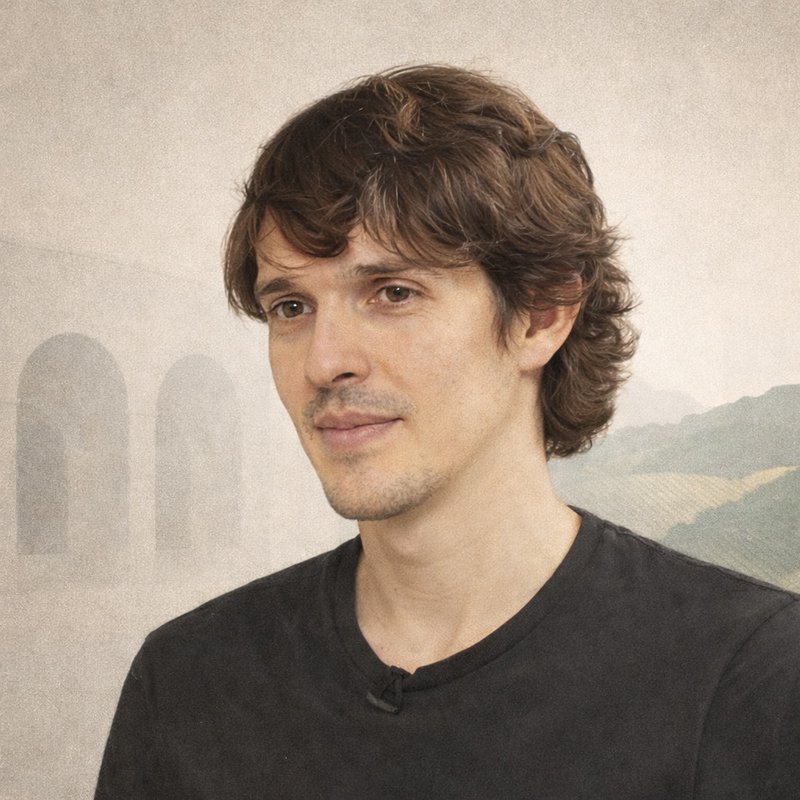
Founder
Sergey Kurlovich funded his wine startup with exactly $20,000—the precise amount he calculated he could lose without career damage.
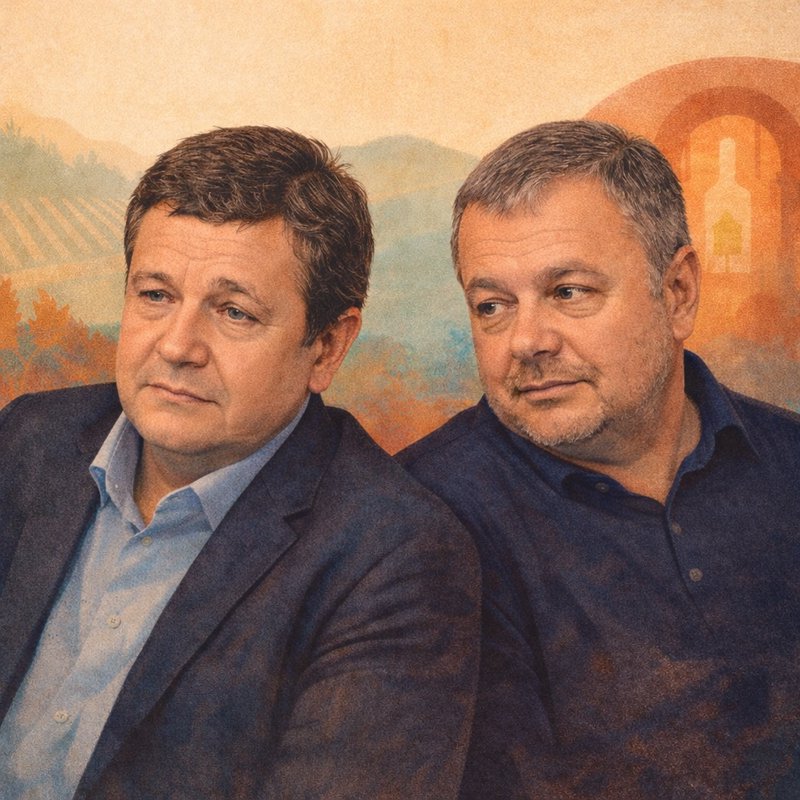
Co-founders
Built Russia's wine retail category in complete anonymity for 27 years—then a lawsuit between brothers divided the ₽50 billion empire.

Founder & CEO
Illegal vodka seller at 21. Russia's #73 billionaire at 57. The breaking point: FSB raids forced surrender of control to preserve empire.

Founder & Co-Owner
Sergey Kotov built Moscow's premium wine business through 33 years of Russian chaos while giving zero media interviews whatsoever.

Co-Founder, Strategic Director
Russian authorities told Maxim Kashirin 'the decision is made to kill Simple' in 2011. He still doesn't know why they changed their minds.

Owner & Chief Winemaker
Fifteen years selling others' wines before making his own. Now his still Pinot Meunier—Russia's first—ranks in the Forbes Top100.

Founder & Chief Winemaker
His father ran Fanagoria for 45 years. Yaroslav built alone—welding tanks at night in his mother's garden to earn his authority.

Founder & Owner
Planted 3,000 hectares of vineyards for Russia's elite. After twelve years building others' dreams, he finally planted his own.

Founder and Owner
General director at Russia's historic Myskhako winery. Walked away at 46. Criminal investigation at 51. Forbes TOP100 at 58 years.

Co-founder and Chairman
He sold Range Rovers to Russia's elite. Now Abrosimov spends weekends in muddy vineyards building "the Range Rover of agriculture."

Winery Proprietor
A 1908 gold medal. Alleged Imperial Court supplier. Then revolution came—and she sold 44 land parcels at above-market prices before vanishing.

Founder and Winemaker
An economist spent seven years making wine without pay. Wine critics now praise him precisely for being 'not bound by templates.'

General Director & Co-Founder
His father chaired Krasnodar's winemakers association. Alexander Pinchuk chose to build a winery his dynasty never attempted—from scratch.

Founder & Owner
Built a vegetable empire. Buried grapevines at -47°C 'as a pure experiment.' No romance. A businessman asking: can this work?

Founder & Winemaker
A Soviet officer lost his country, then lost $2M when his vineyard froze. His response: university at 43 and 75 indigenous grapes nobody wanted.

General Director & Founder
A tax clerk who 'didn't drink' borrowed at 24% for a winery. Friends watched her 'descend into a pit.' Now: Russia's Certificate №001.

CEO & Chief Winemaker
Left a 5-million-bottle success story for a bankrupt estate. Seven years later, built a three-winery empire—but admits family paid the price.

General Director
Named CEO in 2005 with no wine credentials, he enrolled in viticulture school while running the company. Twenty years later: record ₽8.63B.

Founder & Patriarch
When Soviet orders demanded vineyard destruction in 1985, one Don Valley patriarch refused. His defiance preserved 30+ extinct grape varieties.

Managing Director
Ten years of doubt. Critics said wine impossible at 53°N. Frost killed half the harvest. 'Only faith saves us.' She kept going.

Founder
Built pharma empire from father's herbs, then made 28 French wine trips before planting one vine. Died 2025 with succession secured.

Founder & Owner
He bought vineyard land to flip it. A decade later, he holds Russia's highest-rated Riesling and a World's Best Vineyards #20.

Founder
When others would uproot obscure indigenous grapes for international varieties, Troychuk preserved Cossack heritage. Bet reached 750K rubles.

Co-founder & Strategic Partner
Built Russia's largest retailer to $30B valuation. Couldn't answer morning phone calls. Sold for $2.5B. Now makes wine that wins awards.

Founder
A 7th-generation Swiss winemaker tasted Krasnostop in 1999. Twenty-one years later, he earned Krasnodar's first organic certificate.

Founder
Sold his winery for $50M at peak. Bought it back for $15M when the bank collapsed. Built 400 stores he never had time to create the first time.

Head of Winery
Pennsylvania craft beer, Napa training, NYC sommelier—then home to Don grapes nobody else grew. His 2012 Krasnostop sold for 750,000 rubles.

General Director & Principal Owner
A factory technologist faced down parties with 'criminal connections' at 33. Thirty years and one interview later: every fifth bottle.

Founder & Winemaker
Trained himself across three regions because Dagestan had no wine schools. His 2013 blend stunned judges in a national blind tasting.

Founder & CEO
Built Russia's first World's Best Vineyards entry but still won't call himself a winemaker—after 25 years, he says he hasn't earned the title.

Owner & Chairman
Father built $2B empire, then bet on an 1870 winery. Son took over at 28. When sanctions hit, he tripled China sales in 90 days.

Co-Founder & Managing Owner
A mountaineer bet on sanctioned Crimea with his veteran winemaker father. Four years later, Forbes validated the calculated risk.

Co-founder and Managing Partner
He learned the POS system himself. No coffee went unnoticed. The accidental restaurateur built 150 venues—and a system that ran without him.

Chairman
His father warned him family politics were too bad. He joined at 42. Uncles sold the company. His response took 35 years—and hit S$808 million.

Co-founders & CEO/COO
Their daughter's first word was 'Apple.' Crumbs everywhere. Favorite meal was fish. They named their baby brand after all three.

Chief Creative Director
'Tiny Winnie' was bullied out of two salons. She became Malaysia's first World Master—and built a business her son now leads.

Executive Director
Built a media empire and won the Asia Art Award. Then a seven-year family feud forced him to rescue Malaysia's oldest confectionery.

Founder & Chairman
$500 to 27 offices in 23 countries. No credentials—just 25 years in China while competitors flew in, building trust qualifications cannot buy.

Founder & Managing Director
Launched during 2008 crisis from 200 sq ft. Chose ISO over lifestyle branding—grew to 7 Penang locations without venture capital.

Founder & CEO (1991–2019)
From 4 containers to 600 stores. Boris Ostrobrod froze prices during the 1998 ruble crash—building loyalty competitors couldn't buy.

Founder
"Once you step over your convictions, you can never wash it off." Igor Samsonov built ESSE on integrity that others found too costly.

Founder, CEO & Chief Technologist
Everything stolen twelve days in. She caught the thief at the airport. Two years later, strangers in suits waded through floods for her dream.

Founder & Creative Director
Provincial Ufa to Paris Fashion Week. Zero ad budget, Instagram-first. 150 stockists at peak, yet admits: "All the same doubts—they are endless."

Co-founder & CEO
100+ VC rejections over 58 months. Rs 25–30 lakh left. Every 'no' felt deeply personal—customer data sustained her conviction.

Founder & CEO
80 investors said no. One said yes in 30 minutes. The difference between conviction and delusion is evidence others can eventually verify.

Founder & Managing Director
Her first shoes weighed 6 kilograms. Two years of failures. Then she cracked it—building Africa's first global footwear empire.

Founder & Winemaker
Russia's first sommelier champion spent fifteen years advising billionaires on their wine cellars. Then he left Moscow to become a farmer.

General Director
Wanted to start a craft brewery. His father's $110 million wine project needed him. He audited 20 grape varieties and cut the underperformers.

Founder
Sold his insurance empire for $463 million before the 2008 crash. Then spent $110 million proving Russian terroir could rival France.
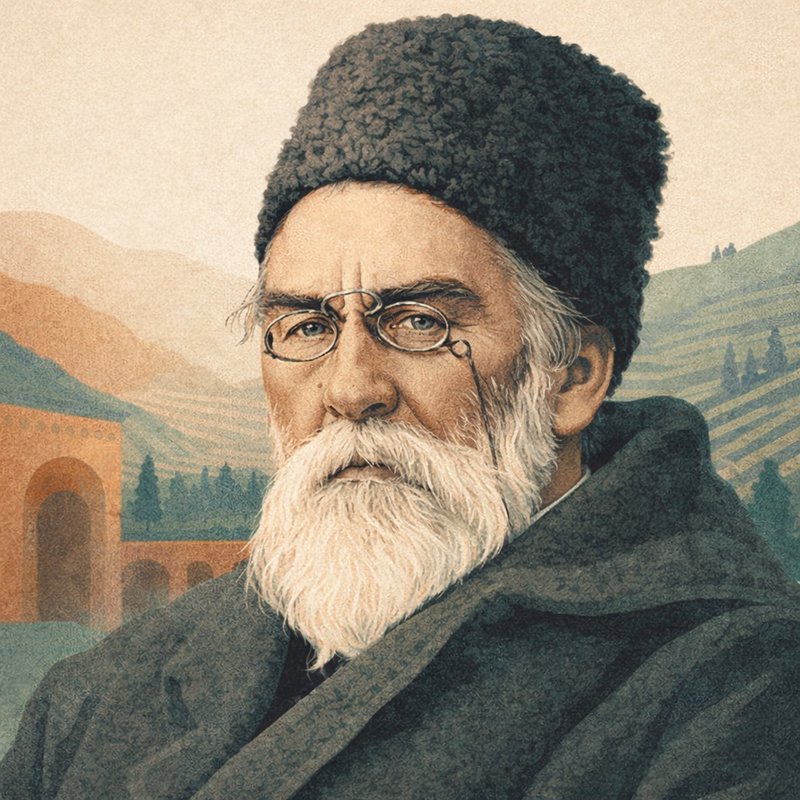
Winemaker, Founder of Russian Winemaking
A Russian prince spent three fortunes on wine critics said couldn't exist. In 1900, Count Chandon toasted his champagne as French.

Co-Founders
"$600 million to walk away? Not interested," Antipov said in his 2015 RBC interview. Nine years later, the state took everything.
No brands found.
Brandmine's founder spent nearly two decades building a founder-owned brand in China. PE firms wanted it. No platform could surface it. He didn't find his buyer. That failure became Brandmine.
Lhamour + Khulan Davaadorj — Mongolia · Natural Beauty
Kitchen startup robbed on day 12, survived three floods and a PayPal blockade to carry 90% of Mongolia's natural skincare exports to 12 countries.
Lhamour — Brand Resilience Profile
Khulan Davaadorj — Founder Resilience Profile
30-day guarantee. If this report does not meet institutional standards, we will refund your payment in full.
This quarter's offer: the first 10 orders include the companion profile free of charge — a $1,800 value. Check both boxes above to add it.
Success!
While you wait — download our Whitepaper Series executive summaries: the research behind the Founder Transition Wave series: 28,000+ founder-owned brands approaching succession across the 38 markets studied.
Download executive summaries (PDF)