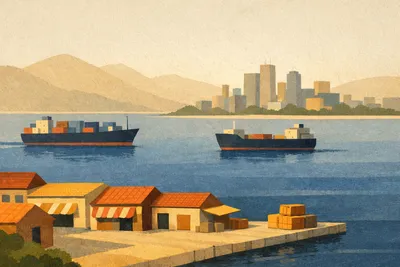
Southeast Asia's Islamic finance capital with 34 million consumers, uniquely positioned at the crossroads of Malay, Chinese, and Indian cultures with strong halal certification infrastructure and sophisticated retail markets.
31 Brands
Islamic Finance Capital
Sophisticated Southeast Asian market combining Malay, Chinese, and Indian influences, where founder-owned brands in halal products, specialty foods, and natural beauty leverage multicultural heritage and strong ASEAN connectivity.
Population33M
GDP$440 billion
Growth4.2%
Premium Growth16%
Trade Access for Malaysia Brands
--People
Loading market access data...
Trade accessible
Trade restricted
Map unavailable in your region. Brands from this market can trade with 150+ countries globally.
Explore Brands by Location
Interactive map showing brand locations across emerging markets. Use proximity search, view regional clusters, and explore nearby brands.
Use arrow keys to pan, plus and minus to zoom. Click markers to view brand details.
malaysia Malaysia
tea-coffee Tea & Coffee
crisis-tested Crisis-Tested founder-led Founder-Led founder-owned Founder-Owned award-winning Award Winning vertically-integrated Vertically Integrated premium-positioning Premium Positioning Johor Bahru Johor
malaysia Malaysia
restaurants Restaurants
vertically-integrated Vertically Integrated award-winning Award Winning regional-icon Regional Icon crisis-tested Crisis-Tested George Town Penang Malaysia
malaysia Malaysia
restaurants Restaurants
founder-led Founder-Led founder-owned Founder-Owned vertically-integrated Vertically Integrated crisis-tested Crisis-Tested artisanal-excellence Artisanal Excellence Bayan Baru Penang Malaysia
malaysia Malaysia
jewelry-watches Jewelry & Watches
heritage-brand Heritage Brand founder-led Founder-Led founder-owned Founder-Owned second-generation Second Generation crisis-tested Crisis-Tested premium-positioning Premium Positioning regional-icon Regional Icon award-winning Award Winning vertically-integrated Vertically Integrated George Town Penang Malaysia
malaysia Malaysia uae United Arab Emirates
restaurants Restaurants
founder-owned Founder-Owned founder-led Founder-Led crisis-tested Crisis-Tested second-generation Second Generation regional-icon Regional Icon award-winning Award Winning Johor Bahru Johor Malaysia
uae United Arab Emirates india India malaysia Malaysia indonesia Indonesia south-africa South Africa kenya Kenya ethiopia Ethiopia pakistan Pakistan
restaurants Restaurants
founder-owned Founder-Owned founder-led Founder-Led crisis-tested Crisis-Tested regional-icon Regional Icon Dubai United Arab Emirates
malaysia Malaysia
tea-coffee Tea & Coffee
award-winning Award Winning heritage-brand Heritage Brand legacy-dynasty Legacy Dynasty vertically-integrated Vertically Integrated George Town Penang Malaysia
malaysia Malaysia
beauty-services Beauty Services
founder-owned Founder-Owned founder-led Founder-Led crisis-tested Crisis-Tested regional-icon Regional Icon award-winning Award Winning George Town Penang Malaysia
malaysia Malaysia
restaurants Restaurants
founder-owned Founder-Owned founder-led Founder-Led premium-positioning Premium Positioning crisis-tested Crisis-Tested artisanal-excellence Artisanal Excellence emerging-voice Emerging Voice George Town Penang Malaysia
malaysia Malaysia
restaurants Restaurants
founder-owned Founder-Owned crisis-tested Crisis-Tested award-winning Award Winning premium-positioning Premium Positioning regional-icon Regional Icon artisanal-excellence Artisanal Excellence Kuala Lumpur Malaysia
malaysia Malaysia
restaurants Restaurants
founder-owned Founder-Owned crisis-tested Crisis-Tested award-winning Award Winning premium-positioning Premium Positioning Kuala Lumpur Kuala Lumpur Malaysia
malaysia Malaysia
restaurants Restaurants
heritage-brand Heritage Brand legacy-dynasty Legacy Dynasty founder-owned Founder-Owned crisis-tested Crisis-Tested artisanal-excellence Artisanal Excellence award-winning Award Winning premium-positioning Premium Positioning regional-icon Regional Icon George Town Penang Malaysia
malaysia Malaysia singapore Singapore indonesia Indonesia thailand Thailand vietnam Vietnam
fashion-accessories Fashion & Accessories
heritage-brand Heritage Brand founder-owned Founder-Owned crisis-tested Crisis-Tested legacy-dynasty Legacy Dynasty premium-positioning Premium Positioning second-generation Second Generation regional-icon Regional Icon Kuala Lumpur Malaysia
china China malaysia Malaysia indonesia Indonesia singapore Singapore thailand Thailand
kitchen-appliances Kitchen Appliances
founder-owned Founder-Owned premium-positioning Premium Positioning crisis-tested Crisis-Tested heritage-brand Heritage Brand vertically-integrated Vertically Integrated legacy-dynasty Legacy Dynasty Cixi Zhejiang China
malaysia Malaysia singapore Singapore indonesia Indonesia thailand Thailand china China
restaurants Restaurants halal-foods Halal Foods
founder-owned Founder-Owned crisis-tested Crisis-Tested regional-icon Regional Icon premium-positioning Premium Positioning Petaling Jaya Selangor Malaysia
china China indonesia Indonesia thailand Thailand vietnam Vietnam malaysia Malaysia
electric-vehicles Electric Vehicles
crisis-tested Crisis-Tested regional-icon Regional Icon heritage-brand Heritage Brand Liuzhou Guangxi China
malaysia Malaysia
private-colleges Private Colleges
founder-owned Founder-Owned award-winning Award Winning crisis-tested Crisis-Tested George Town Penang Malaysia
malaysia Malaysia
hotels-resorts Hotels & Resorts
award-winning Award Winning crisis-tested Crisis-Tested heritage-brand Heritage Brand premium-positioning Premium Positioning regional-icon Regional Icon George Town Penang Malaysia
malaysia Malaysia
department-stores Department Stores
heritage-brand Heritage Brand crisis-tested Crisis-Tested founder-owned Founder-Owned regional-icon Regional Icon George Town Penang Malaysia
malaysia Malaysia
gourmet-foods Gourmet Foods
second-generation Second Generation heritage-brand Heritage Brand artisanal-excellence Artisanal Excellence award-winning Award Winning crisis-tested Crisis-Tested premium-positioning Premium Positioning vertically-integrated Vertically Integrated Kuala Lumpur Malaysia
malaysia Malaysia
baby-care Baby Care
founder-owned Founder-Owned crisis-tested Crisis-Tested award-winning Award Winning premium-positioning Premium Positioning Petaling Jaya Selangor Malaysia
malaysia Malaysia
beauty-services Beauty Services
founder-owned Founder-Owned award-winning Award Winning premium-positioning Premium Positioning vertically-integrated Vertically Integrated Kuala Lumpur Kuala Lumpur Malaysia
malaysia Malaysia
gourmet-foods Gourmet Foods
heritage-brand Heritage Brand crisis-tested Crisis-Tested second-generation Second Generation artisanal-excellence Artisanal Excellence George Town Penang Malaysia
malaysia Malaysia
flexible-workspace Flexible Workspace
founder-owned Founder-Owned award-winning Award Winning regional-icon Regional Icon Bayan Baru Penang Malaysia
malaysia Malaysia
restaurants Restaurants halal-foods Halal Foods
founder-owned Founder-Owned crisis-tested Crisis-Tested artisanal-excellence Artisanal Excellence George Town Penang Malaysia
malaysia Malaysia
restaurants Restaurants
founder-owned Founder-Owned premium-positioning Premium Positioning regional-icon Regional Icon crisis-tested Crisis-Tested George Town Penang Malaysia
malaysia Malaysia
gourmet-foods Gourmet Foods restaurants Restaurants
founder-owned Founder-Owned artisanal-excellence Artisanal Excellence crisis-tested Crisis-Tested premium-positioning Premium Positioning Kuala Lumpur Kuala Lumpur Malaysia
Listed Brands
Directory of emerging brands in our research pipeline.
A winery listed on a national exchange, a kitchen-appliance maker with ¥17 billion in revenue, and a beverage company that reached several billion dollars in revenue all return nothing usable from the platforms built to find private companies.
The first two papers argued the wave exists and standard instruments miss it. This shows what reading reveals: where visible, and what recurs in 23 handovers followed to an end.
CSV export is available to our premium members! This feature allows you to export your filtered search results for offline analysis, presentations, or integration with your own tools. Premium membership includes unlimited CSV exports across all directories.
Type to search across all brands, founders, and insights
See What's New
New brand profiles, founder stories, and market insights have been added since your last visit.
 Skip to main content