 Перейти к основному содержанию
Мусульманская мода Индонезии: непереведённый №1
Одна компания в Бандунге управляет четырьмя фабриками и национальной франчайзинговой сетью — и при этом не значится ни в одной глобальной базе данных индустрии моды или инвестиций. Это не исключение, а типичный случай крупнейшей в мире экосистемы мусульманской моды, вся история которой записана на языке, который глобальный капитал не читает.
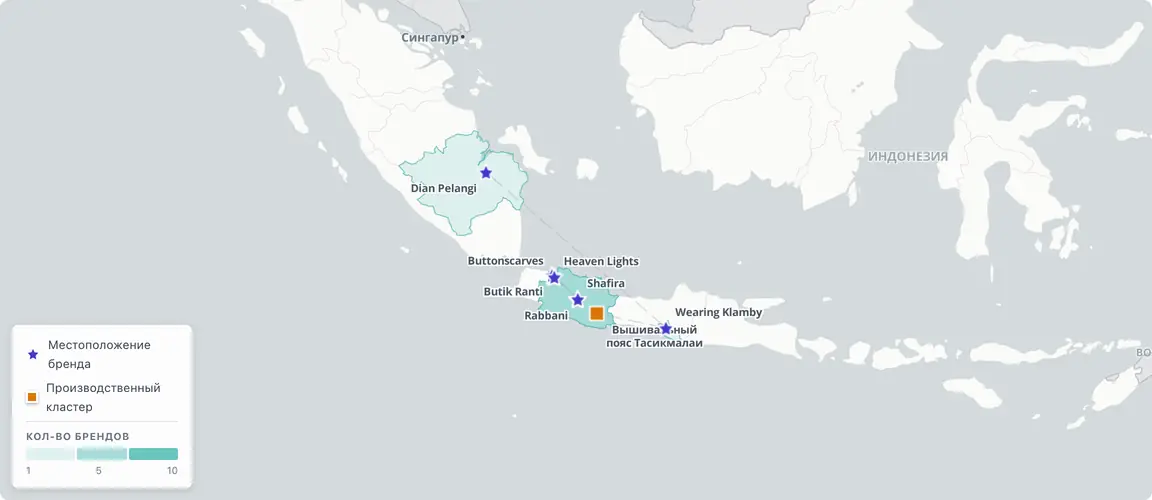
Мусульманская мода Индонезии: концентрация в Западной Яве
Тридцать пять лет за языковой стеной
Одна компания в Бандунге управляет четырьмя фабриками, которые ежедневно выпускают десятки тысяч платков. Её основатели начинали в 1994 году как исламские книготорговцы — в киоске два на три метра — и перешли на kerudung, потому что хотели сделать покрытие головы «современным и достойным». Rabbani сегодня — лидер массового рынка отрасли, охватывающей крупнейшее в мире мусульманское население. И при этом бренд не значится ни в одной глобальной базе данных моды, ни на одной инвестиционной платформе, ни в поле зрения ни одного аналитика.
Это отсутствие — не случайность масштаба. В докладе State of the Global Islamic Economy 2024/25 Индонезия заняла первое место в мире по мусульманской моде — впереди Малайзии, Турции, Италии и Сингапура. Собственные статистики правительства насчитывают 594 000 малых швейных предприятий с занятостью 1,2 млн человек. И почти ничего из этого не читаемо для капитала, который в любой другой отрасли пришёл бы сюда годы назад. У парадокса одна причина, и это не безвестность. Это язык.
Что не читают базы данных
В 2024 году в отрасли малых предприятий готовой одежды числилось 594 000 компаний с общей занятостью 1,2 млн человек.
О брендах пишут — подробно, непрерывно, поимённо. Их истории основания, выживание в кризисы, число фабрик и магазинов, судебные победы — всё есть в открытых источниках. Просто эти записи на бахаса индонезия: на порталах министерства Kemenperin, в деловом еженедельнике SWA, в Tempo, Kompas и CNBC Indonesia, в биржевых документах единственного публичного бренда отрасли. Глобальная аналитическая платформа, индексирующая англоязычные, китайские и арабские источники, эту стену не пересекает. Поэтому крупнейшая в мире экосистема мусульманской моды выглядит снаружи пустой.
Это иной тип разрыва, чем те, к оценке которых привыкли инвесторы. Аналитики знают непрозрачность, возникающую из отсутствия — частные компании, не подающие отчётность, рынки, где данные никто не собирал. Здесь обратная ситуация: данные собраны, опубликованы, процитированы министрами — и просто оставлены на месте. Цифры масштаба назвала генеральный директор департамента Министерства промышленности, публично. Экспортные показатели озвучил действующий министр кабинета. Размытие доли основателей единственного публичного бренда отрасли — в его биржевом проспекте. Всё, что аналитик обычно собирает по крупицам, уже существует. Просто это никогда не переносили через стену.
Следствие в том, что конкурентная структура отрасли — кто лидирует, кто масштабируется, чей контроль уже сменился — известна сегодня только тем, кто читает местную прессу неделя за неделей. Это узкий круг, и почти никто из него не держит капитал. Для читателя, способного пересечь языковую стену — или найти того, кто способен, — эта асимметрия не тревожный знак. Это задокументированный структурный факт об отрасли.
Отрасль, которую конгломераты обошли стороной
Индонезийские потребительские товары — вотчина китайско-индонезийских конгломератов: Indofood группы Salim, Djarum семьи Hartono, Mayora, Wings, Sinar Mas. По оценкам исследователей, этнические китайцы — примерно 3% населения — контролируют большую часть крупного частного капитала. Мусульманская мода устроена наоборот. Её бренды строили в основном предприниматели-pribumi («коренные жители») — мусульмане: Feny Mustafa с миннангкабаускими корнями, Amry Gunawan, родившийся в Ачехе, Dian Pelangi из Палембанга, Linda Anggrea из Риау. Это коммерческое лицо того, что учёные называют «экономикой сантри» — подъёма набожного мусульманского среднего класса. Основатели часто формулируют дело как dakwah, религиозную миссию: основатели Rabbani говорили об управлении компанией как о manajemen jihad; слоган Butik Ranti звучит как «Одна вера, одна семья, одно платье». (Инверсия между нормой конгломератов и владением pribumi — собственное прочтение Brandmine, а не утверждение одного исследователя, но каждая половина этого тезиса твёрдо документирована.)
Это происхождение сформировало структуру отрасли. Она выросла в двух отдельных волнах. Уровень наследия — Shafira (1989), Butik Ranti (1989), Rabbani (1994) — построил физическую розницу, франчайзинговые системы и, в случае Rabbani, собственные фабрики, начав с отдельных лавок и гаражей. Цифровой уровень — Tuneeca (2008), Dian Pelangi (2009), Si.Se.Sa (2011), Wearing Klamby (2012), Heaven Lights (2013), Buttonscarves (2016) — родился в Instagram и электронной коммерции, работая по модели прямых продаж с дроп-релизами и сообществом. Две когорты различаются не только методом, но и кризисами, которые их закалили: старшие бренды несут шрамы 1998 года, младшие проверены пандемией.
Четыре региона, один коридор
Для крупнейшей в мире экосистемы мусульманской моды география отрасли на удивление компактна. Это не история архипелага. Это история Западной Явы.
Бандунг — машинное отделение отрасли: примерно 40% производства, по триангулированной оценке Brandmine. Глубокая текстильная экосистема Западной Явы, квалифицированная рабочая сила и почти тридцатилетняя ассоциация дизайнеров Ikatan Perancang Busana Muslim делают город «большой кухней» отрасли. Rabbani, Shafira, Zoya, Elzatta и Tuneeca родились именно здесь, окружённые сельскими производственными кластерами: Kutawaringin выпускает busana muslim с 1970-х, а «Kampung Hijab» в Cicalengka — один из крупнейших оптовых центров хиджабов Индонезии. Мэр Бандунга называет город национальным эпицентром отрасли.
Большая Джакарта, примерно 30%, — там, где сосредоточены дизайнеры, цифровые бренды и деньги, рядом с Tanah Abang, крупнейшим текстильным рынком Азии. Buttonscarves, Si.Se.Sa, Butik Ranti, HijUp и Heaven Lights работают из столичного комплекса. Тасикмалая, дальше в Западной Яве, около 15%, — центр вышивки: ремесло bordir передаётся с 1961 года, работает силами, связанными с pesantren («исламскими школами-интернатами»), отгружает mukena и gamis в Малайзию, страны Персидского залива и Африку. Остальная доля приходится на Палембанг и Джокьякарту — базы наследного текстиля, снабжающие дизайнерские бренды вроде Dian Pelangi и Wearing Klamby тканями songket и tenun.
Сложите Бандунг, Тасикмалаю и Джакарту — и получите примерно 85% отрасли в одном коридоре северо-западной Явы. Факт, который фраза «индустрия №1 Индонезии» надёжно скрывает.
Кто устоял
Бренды, определяющие отрасль, почти без исключения — выжившие в чём-то конкретном. Здесь запись на местном языке отрабатывает свою ценность — и здесь общая база данных, даже переведённая, всё равно упустила бы историю.
Shafira — старейший из брендов. Feny Mustafa основала его в Бандунге в 1989 году, назвав первой зарегистрированной мусульманской модной компанией Индонезии. Когда в 1997 году грянул Азиатский финансовый кризис и рупия рухнула, её кредиты на оборотный капитал стали неподъёмными. Она не объявила дефолт. Она лично обошла каждого кредитора и пересогласовала условия — одного за другим, пока бизнес не смог их нести. Shafira выжила и превратилась в Shafco — Shafira, Zoya и Mezora — со штатом более 900 человек.
Rabbani начинался как книжный магазин. Amry Gunawan и Nia Kurnia торговали исламскими книгами, когда в 1994 году перешли на kerudung, формулируя этот шаг как миссию, а не коммерцию. Угроза, преследующая их с тех пор, — не макрошок, а постоянная: подделки. Их ответ был структурным — четыре вертикально интегрированные фабрики в Бандунге и намеренно быстрая смена моделей, так что копии всегда догоняют дизайн, который компания уже сняла с производства. Результат — десятки тысяч платков в день и национальная франчайзинговая сеть.
Butik Ranti — история тихой выносливости. Yessy Riscowati с мужем начали дело в 1989 году из торговых корней Tanah Abang, специализируясь на стиле syar’i. Компания прошла через кризисы 1990-х и 2000-х, а затем встретила COVID-19 в 2020 году — когда Рамадан, пиковый сезон отрасли, обвалился, а продажи упали на 70–90%. Основатели почти сдались. Но выстояли, и сегодня фирмой управляют их дети: завершённая передача второму поколению в отрасли, где большинство переходов остаются незадокументированными.
Buttonscarves — новичок, дравшийся как ветеран. Linda Anggrea оставила пост в Банке Индонезии, чтобы запустить премиальный бренд хиджабов в 2016 году. По мере роста её дизайны наводнили подделки. Вместо ценовой войны она подала в суд — и выиграла дело, заставившее вывести копии с рынка. В 2023 году её признали предпринимателем Endeavor; сегодня её Modinity Group управляет магазинами в Малайзии и Сингапуре.
Молодая когорта пережила другой кризис иначе. Когда пандемия остановила Рамадан в 2020 году, у цифровых брендов не было фабрик, которые нужно было бы простаивать, и франчайзинговой аренды, которую нужно нести — и они двигались быстро: кто-то перешёл на выпуск масок, большинство ускорилось прямо в электронную коммерцию и в государственную кампанию за покупку местной мусульманской моды. Там, где для уровня наследия решающим испытанием была платёжеспособность в 1998-м, для цифрового уровня им стала скорость в 2020-м — и обе когорты устояли. Отрасль не потеряла своих лидеров ни в одном шоке — она отобрала их через оба.
Вокруг четырёх якорей наследия стоят истории полегче: Wearing Klamby, который Nadine Gaus построила из продажи ношеной одежды во время увольнения отца и довела до Лондонской недели моды в 2022 году (структура владения на 2026 год оспаривается и не подтверждена — здесь описано лишь то, что зафиксировано на момент исследования); Heaven Lights, чьи основатели превратили подработку в дроп-релизы, продающие десятки тысяч хиджабов за минуты, и дошли до Нью-Йоркской недели моды; Dian Pelangi, наследница из Палембанга, вынесшая songket на мировые подиумы. Обычный аналитик мог бы назвать эти бренды. Никто не рассказал бы, что Feny Mustafa ходила от кредитора к кредитору в 1998-м, или почему Amry Gunawan ушёл из книжного магазина, или кто из этих основателей уже передал компанию детям. Именно это держала за собой языковая стена.
Вера, надетая напоказ
Мусульманскую моду Индонезии нельзя читать чисто как коммерцию, и сами основатели первыми это скажут. Ношение хиджаба встречало социальное сопротивление в 1980-х; сегодня это мейнстрим и всё чаще язык самовыражения, а не только соблюдения нормы. Движение hijrah — молодые индонезийцы, принимающие более видимую религиозность, — постоянно подпитывает спрос, а бренды знаменитостей-основателей размыли границу между шоу-бизнесом и мусульманской коммерцией.
Сами основатели воплощают сообщество, которому продают. Среди них непропорционально много женщин и выходцев из миннангкабауских, сунданских и других общин pribumi с сильными религиозными традициями. Основатели Rabbani вообще не начинали как модные предприниматели — они начинали как книготорговцы, увидевшие в покрытии головы нечто, что нужно сделать «современным и достойным», и построили компанию вокруг этого убеждения. Слоган Butik Ranti читается скорее как символ веры, чем как реклама. Это отрасль, где вера основателя и продукт основателя — один и тот же объект, и это дало брендам устойчивость, редкую для модных лейблов: покупатели берут одежду как выражение того, кто они есть, а не просто то, что сейчас в моде.
Коммерчески важно, куда с тех пор сместилась подача. Отрасль теперь продаёт себя не столько как религиозный долг, сколько как инклюзивный образ жизни, привлекая немусульманских покупателей и межкультурный интерес. Именно этот сдвиг делает правдоподобной экспортную историю: вещь, продаваемая как идентичность, уезжает дальше, чем вещь, продаваемая как правило. Основатели строили бренды внутри религиозного сообщества; рынок, до которого они теперь дотягиваются, шире этого сообщества.
Два таймера, оба тикают
Смотреть сейчас, а не позже, стоит потому, что одновременно идут два отсчёта.
Первый — регуляторный, привязанный к конкретному дню. С 17 октября 2026 года весь текстиль, продаваемый в Индонезии, включая мусульманскую моду, должен пройти халяль-сертификацию по UU 33/2014 и PP 42/2024 под контролем BPJPH. Ведомство представляет мандат не как обузу, а как экспортное преимущество: сертифицированный текстиль, по его аргументу, получит перевес на мусульманских и этически ориентированных рынках. В любом случае срок работает как сортировочный механизм: у каких брендов есть капитал и системы для сертификации в масштабе, а у каких нет — именно это различие срок впервые делает видимым.
Второй таймер — демографический. Основателям уровня наследия — Feny Mustafa, Amry Gunawan, Yessy Riscowati — сегодня от 55 до 68 лет. Butik Ranti уже провела передачу поколению — планы Rabbani и Shafira не задокументированы. Это не сноска. В отрасли, построенной семейным капиталом, преемственность — единственное событие, сильнее всего меняющее контроль, и оно наступает по всему уровню наследия в тот же момент, когда вступает в силу срок сертификации. Экспортные показатели тем временем уже движутся: экспорт в страны ОИС достиг US$990 млн в 2023 году, рост на 83% за год, хотя Индонезия заняла лишь седьмое место среди экспортёров на эти рынки. Экосистема №1 — седьмой экспортёр: разрыв, который сам по себе измеряет, сколько места ещё остаётся.
Цена ожидания
Отрасль читаема прямо сейчас для всякого, кто готов читать её на языке, на котором она написана — и она вот-вот станет читаемой для всех остальных, в фиксированную дату, независимо от того, прочитал ли к тому моменту глобальный капитал нужные страницы. Когда халяль-сертификация в октябре 2026 года отделит соответствующих от прочих, а первый из основателей уровня наследия оформит передачу компании, бренды, всё это время готовые к экспорту и к преемственности, перестанут быть частной находкой и станут заголовком. Аналитика, которая сегодня требует переводчика и сезона архивов торговой прессы, тогда уместится в пресс-релиз.
Этот промежуток измеряется теми же категориями, что и всегда — месяцами, в течение которых фабрики Rabbani, отстоянные в суде права Buttonscarves на собственный дизайн и тридцатипятилетняя история выживания Feny Mustafa остаются фактами, которые нужно найти самому, а не фактами, которые уже знают все. Индонезия потратила три с половиной десятилетия на строительство крупнейшей в мире отрасли мусульманской моды на языке, который её будущие инвесторы так и не выучили читать. Перевод уже в пути — в календаре, который задаёт сама бахаса индонезия, а не глобальный капитал.
Исследовано 28 источников на Индонезийский и английском языках.