Sectors
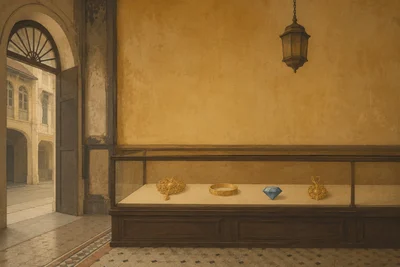
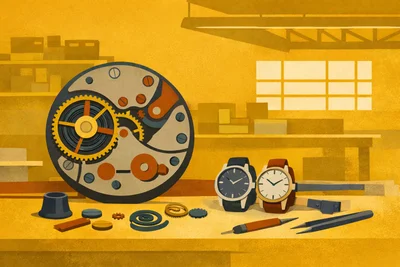
Jewelry & Watches Jewelry and watch brands showcasing distinctive design, gemstone expertise, and precision craftsmanship. These luxury creators blend traditional metallurgy and stonework with contemporary aesthetics, creating heirloom-quality pieces that reflect cultural heritage with modern elegance.
26 Brands
Share
Luxury Craftsmanship High-value items with cultural design elements offer exceptional margins and customer lifetime value. Luxury jewelry markets reward authenticity and craft, creating opportunities in segments where brand heritage and quality command premium pricing.
Explore Brands by Location Interactive map showing brand locations across emerging markets. Use proximity search, view regional clusters, and explore nearby brands.
Interactive map is temporarily unavailable in your region. We're working on a China-compatible solution.
Tier
Clear
All Brands Resilient Profiled Listed Market
Clear
All Markets Abkhazia Argentina Armenia Azerbaijan Bahrain Bangladesh Brazil Cambodia Canada Chile China Colombia Côte d'Ivoire Cuba Egypt Ethiopia Georgia Ghana India Indonesia Iran Jordan Kazakhstan Kenya Kyrgyzstan Laos Lebanon Malaysia Mexico Mongolia Morocco Mozambique Myanmar Nepal Nigeria North Korea Pakistan Palestine Peru Philippines Russia Saudi Arabia Senegal Serbia Singapore South Africa Sri Lanka Taiwan Tanzania Thailand Tunisia Turkey United Arab Emirates Uzbekistan Vietnam Attribute
Clear
All Attributes Artisanal Excellence Award Winning Crisis-Tested Emerging Voice Founder-Led Founder-Owned Heritage Brand Legacy Dynasty Premium Positioning Regional Icon Second Generation Vertically Integrated Signals
PREMIUM
Export Ready Scale Ready Succession Ready
Resilient Brands Malaysia's first listed jeweller went public at the worst possible moment — the depth of the 1998 crash — and beat its own numbers.
malaysia Malaysia
jewelry-watches Jewelry & Watches
heritage-brand Heritage Brand founder-led Founder-Led founder-owned Founder-Owned second-generation Second Generation crisis-tested Crisis-Tested premium-positioning Premium Positioning regional-icon Regional Icon award-winning Award Winning vertically-integrated Vertically Integrated George Town Penang Malaysia
Cartier left Russia. Chamovskikh's March 2022 sales hit 400% of plan — earned by Peterhof, a Romanov commission, and the state treasury.
russia Russia
jewelry-watches Jewelry & Watches
artisanal-excellence Artisanal Excellence award-winning Award Winning crisis-tested Crisis-Tested founder-owned Founder-Owned premium-positioning Premium Positioning regional-icon Regional Icon vertically-integrated Vertically Integrated Yekaterinburg Russia
When the ruble crashed in 2014, Gourji lost millions on Italian production overnight — then rebuilt its entire supply chain inside Russia.
russia Russia
jewelry-watches Jewelry & Watches fashion-accessories Fashion & Accessories
founder-owned Founder-Owned artisanal-excellence Artisanal Excellence crisis-tested Crisis-Tested premium-positioning Premium Positioning Moscow Russia
A Moscow jewelry laboratory where every ring is an engineering puzzle — pieces that open, transform, and hide diamonds inside mechanisms.
russia Russia
jewelry-watches Jewelry & Watches
artisanal-excellence Artisanal Excellence award-winning Award Winning crisis-tested Crisis-Tested founder-owned Founder-Owned premium-positioning Premium Positioning Moscow Russia
The Soviet pocket watch factory that survived as a military workshop, then bet its 1947 caliber on a wristwatch renaissance in Tankograd.
Chelyabinsk, Chelyabinsk Oblast 🇷🇺 russia Russia
jewelry-watches Jewelry & Watches
heritage-brand Heritage Brand crisis-tested Crisis-Tested award-winning Award Winning founder-owned Founder-Owned regional-icon Regional Icon vertically-integrated Vertically Integrated premium-positioning Premium Positioning Chelyabinsk Chelyabinsk Oblast Russia
A palace photo shoot in 2010 revealed no Russian-style jewelry existed — the gap Aksyonov filled is now in the museum alongside Fabergé.
russia Russia kazakhstan Kazakhstan azerbaijan Azerbaijan
jewelry-watches Jewelry & Watches
artisanal-excellence Artisanal Excellence crisis-tested Crisis-Tested founder-owned Founder-Owned premium-positioning Premium Positioning regional-icon Regional Icon Moscow Russia
Gagarin wore it in 1961. Omega went to the Moon in 1969. Omega became the Moonwatch. This is what happened to the watch that got there first.
russia Russia
jewelry-watches Jewelry & Watches
heritage-brand Heritage Brand crisis-tested Crisis-Tested founder-owned Founder-Owned artisanal-excellence Artisanal Excellence premium-positioning Premium Positioning regional-icon Regional Icon Moscow Russia
Moscow's JAR-inspired bespoke atelier built clients in London, New York, Zurich with zero advertising — then vanished after 2014 without a word.
russia Russia
jewelry-watches Jewelry & Watches
artisanal-excellence Artisanal Excellence founder-owned Founder-Owned premium-positioning Premium Positioning Moscow Russia
Co-founder died. Founding designer expelled. Russia exited under sanctions. Eight pieces in the Kremlin Armoury — now headquartered in Hong Kong.
russia Russia china China uae United Arab Emirates
jewelry-watches Jewelry & Watches
artisanal-excellence Artisanal Excellence award-winning Award Winning crisis-tested Crisis-Tested premium-positioning Premium Positioning Moscow Moscow Russia
One swallow bracelet. One ruble crash. Ten years later — two Moscow boutiques in the spaces Richemont and Roger Dubuis left behind.
russia Russia uae United Arab Emirates
jewelry-watches Jewelry & Watches
artisanal-excellence Artisanal Excellence founder-owned Founder-Owned crisis-tested Crisis-Tested premium-positioning Premium Positioning award-winning Award Winning Moscow Moscow Russia
RUB 27.5B in bankruptcy claims, three executives prosecuted, 30 rivals destroyed — and the brand sold for RUB 6.5B eight years later.
russia Russia
jewelry-watches Jewelry & Watches
crisis-tested Crisis-Tested heritage-brand Heritage Brand vertically-integrated Vertically Integrated regional-icon Regional Icon Moscow Moscow Russia
A bankrupt factory with six months of unpaid wages during the 1998 crash became the core of Russia's first vertically integrated jewelry empire.
Krasnoye-na-Volge, Kostroma Oblast 🇷🇺 russia Russia
jewelry-watches Jewelry & Watches
founder-owned Founder-Owned crisis-tested Crisis-Tested vertically-integrated Vertically Integrated legacy-dynasty Legacy Dynasty artisanal-excellence Artisanal Excellence regional-icon Regional Icon second-generation Second Generation Krasnoye-na-Volge Kostroma Oblast Russia
A former sniper-scope polisher now sets gemstones at Avgvst's Ural factories. When sanctions hit, the brand split in two and grew 40%.
russia Russia
jewelry-watches Jewelry & Watches
founder-owned Founder-Owned artisanal-excellence Artisanal Excellence award-winning Award Winning crisis-tested Crisis-Tested premium-positioning Premium Positioning vertically-integrated Vertically Integrated regional-icon Regional Icon Yekaterinburg Russia
Thirteen years in Italy, then he scrapped it all. Six months of failed production later, fifty craftsmen who stunned Valenza.
russia Russia
jewelry-watches Jewelry & Watches
artisanal-excellence Artisanal Excellence crisis-tested Crisis-Tested founder-owned Founder-Owned premium-positioning Premium Positioning vertically-integrated Vertically Integrated Moscow Moscow Russia
Russia's only carbon-fiber jeweler lost its namesake designer in 2016 — and the rebrand proved more generative than the original.
russia Russia china China thailand Thailand uae United Arab Emirates
jewelry-watches Jewelry & Watches
founder-owned Founder-Owned artisanal-excellence Artisanal Excellence crisis-tested Crisis-Tested award-winning Award Winning premium-positioning Premium Positioning Moscow Moscow Russia
When Russia's diamond monopoly cut off its rough supply, EPL Diamond survived with a ₽500M state guarantee — then grew to 120+ stores.
russia Russia
jewelry-watches Jewelry & Watches
founder-owned Founder-Owned vertically-integrated Vertically Integrated crisis-tested Crisis-Tested heritage-brand Heritage Brand regional-icon Regional Icon premium-positioning Premium Positioning Yakutsk Sakha Russia
Lost its own name for $25,000 in 1951. Watched it sell for $1.55B on toilet cleaner. Recovered it for $38M. Still unprofitable.
russia Russia uae United Arab Emirates singapore Singapore china China
jewelry-watches Jewelry & Watches
heritage-brand Heritage Brand crisis-tested Crisis-Tested artisanal-excellence Artisanal Excellence vertically-integrated Vertically Integrated legacy-dynasty Legacy Dynasty premium-positioning Premium Positioning regional-icon Regional Icon Saint Petersburg Saint Petersburg Russia
The most advanced enamel jewelry in the world is made by a self-taught Tatar who fires gold at 950°C — fifty degrees from destruction.
russia Russia
jewelry-watches Jewelry & Watches
artisanal-excellence Artisanal Excellence award-winning Award Winning crisis-tested Crisis-Tested founder-owned Founder-Owned heritage-brand Heritage Brand premium-positioning Premium Positioning regional-icon Regional Icon vertically-integrated Vertically Integrated Moscow Moscow Russia
A failed movement four months before Baselworld. Fourteen people. The Joker was born from panic — and sold out in weeks at Basel.
russia Russia
jewelry-watches Jewelry & Watches
founder-owned Founder-Owned artisanal-excellence Artisanal Excellence award-winning Award Winning crisis-tested Crisis-Tested premium-positioning Premium Positioning vertically-integrated Vertically Integrated Moscow Moscow Russia
One of a small number of watchmakers globally making its own hairsprings, independent of the Nivarox supply chain most of the industry relies on.
russia Russia
jewelry-watches Jewelry & Watches
artisanal-excellence Artisanal Excellence crisis-tested Crisis-Tested founder-owned Founder-Owned heritage-brand Heritage Brand premium-positioning Premium Positioning regional-icon Regional Icon vertically-integrated Vertically Integrated Saint Petersburg Russia
A village with no gold makes 60% of Russia's jewelry. Its dominant company started with nine people — and sold for an estimated ₽30–40bn.
Krasnoye-na-Volge, Kostroma Oblast 🇷🇺 russia Russia
jewelry-watches Jewelry & Watches
legacy-dynasty Legacy Dynasty second-generation Second Generation crisis-tested Crisis-Tested vertically-integrated Vertically Integrated premium-positioning Premium Positioning regional-icon Regional Icon artisanal-excellence Artisanal Excellence award-winning Award Winning Krasnoye-na-Volge Kostroma Oblast Russia
$187 in the bank. A court-declared death sentence. A dive watch whose seal tightens the deeper it goes. Russia's last watchmaker never stopped.
russia Russia china China
jewelry-watches Jewelry & Watches
crisis-tested Crisis-Tested founder-owned Founder-Owned heritage-brand Heritage Brand regional-icon Regional Icon vertically-integrated Vertically Integrated Chistopol Tatarstan Russia
Russia's largest jewelry chain — 397 stores, ₽45B revenue — collapsed in 18 months under ₽31.7B debt after the 2014 ruble crash.
russia Russia
jewelry-watches Jewelry & Watches
founder-owned Founder-Owned vertically-integrated Vertically Integrated crisis-tested Crisis-Tested regional-icon Regional Icon premium-positioning Premium Positioning Moscow Moscow Russia
Profiled Brands Two Moscow journalists who became jewelers set antique stones — possibly once worn by queens — into Damascus steel and petrified wood.
russia Russia
jewelry-watches Jewelry & Watches
artisanal-excellence Artisanal Excellence founder-owned Founder-Owned premium-positioning Premium Positioning crisis-tested Crisis-Tested Moscow Moscow Russia
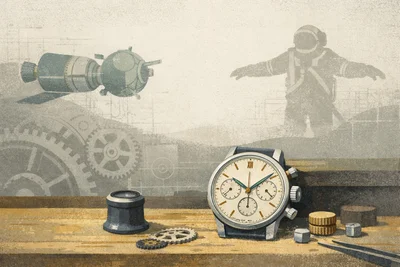
The Soviet chronograph that beat the Speedmaster to open space costs €435 today — assembled in Munich by one man with 50,000+ eBay reviews.
russia Russia
jewelry-watches Jewelry & Watches
heritage-brand Heritage Brand founder-owned Founder-Owned crisis-tested Crisis-Tested artisanal-excellence Artisanal Excellence premium-positioning Premium Positioning Munich Bavaria Germany
A ₽742M heritage jeweler in a ₽460B market — surviving Imperial collapse, WWII siege, bankruptcy, and Western sanctions across 113 years on Fabergé Square.
russia Russia
jewelry-watches Jewelry & Watches
heritage-brand Heritage Brand crisis-tested Crisis-Tested artisanal-excellence Artisanal Excellence vertically-integrated Vertically Integrated premium-positioning Premium Positioning Saint Petersburg Saint Petersburg Russia
Search:
Country:
Tier:
With Website
Clear all
Loading...
Country
All countries
Brand Tier
All Brands Resilient Profiled Listed
With Website
Brand
City
Country
Year
Website Tier
Loading... No brands found matching your criteria. Visit
— Resilient
Profiled
Listed
Related Insights 🇷🇺
April 6, 2026
16 min read
A failed movement. Four months to Baselworld. Fourteen employees. The Joker sold out in weeks, now trades at CHF 508,000 at Phillips.
🇨🇳
March 26, 2026
13 min read
Two reform-era founder cohorts are entering the succession window simultaneously. Only 21% have a plan. Most are invisible to any existing database.
🇮🇳
March 26, 2026
13 min read
A generation of founders built India's consumer brand ecosystem from the ruins of the License Raj. They are ageing out simultaneously, and no one has mapped what they built.
🇲🇾
March 26, 2026
14 min read
A generation built on Mahathir's industrial wave and hardened by the 1997 ringgit collapse is ageing out with no succession map.
🇱🇰
March 26, 2026
17 min read
A generation forged by four crises in forty years is entering the succession window. The map has never been assembled.
🇹🇷
March 26, 2026
13 min read
Two reform waves created two founder cohorts, both approaching the succession window simultaneously. The dual-crisis NDD archive makes Turkey the richest transformation market in the region.
🇦🇪
March 26, 2026
16 min read
An empire of founder-owned brands built by people without Emirati passports -- and no institutional buyer has found them yet.
🇧🇷
March 25, 2026
15 min read
A generation forged by hyperinflation, six currencies, and a savings confiscation is entering the transition window. Most have no plan.
🇷🇺
March 20, 2026
15 min read
Two foreigners bought Russia's oldest factory. Six years later, only two options remained: total commitment or permanent closure.
🇷🇺
March 18, 2026
19 min read
Switzerland exported zero watches to Russia in January 2023. The sector it left behind had been quietly building for three decades.
Coming Soon
Premium Feature: CSV Export CSV export is available to our premium members! This feature allows you to export your filtered search results for offline analysis, presentations, or integration with your own tools. Premium membership includes unlimited CSV exports across all directories.
Close  Skip to main content