 Skip to main content
First Trial: Claude Design Delivers WP4 Waveforms
Where the Wave Breaks needed six waveform illustrations before it was complete. We'd been writing around the gap. Today we trialed Claude Design for the first time — a brief conversation, six distinct wave patterns, results straight into the PDF and the Hugo page. The missing visuals arrived faster than any other part of the paper.
Where the Wave Breaks describes six distinct patterns in how founder brands respond to market shocks. Each pattern — double wave, compressed, disrupted, five-crisis compressed, standard, and layered — has a specific shape that tells you something about the brand’s underlying resilience structure.
The paper was written. The analysis was done. The visualizations were missing. We’d been describing wave shapes in prose without showing what they actually look like.
Today we trialed Claude Design for the first time. The brief was specific: six waveform charts, consistent visual language, label-free so captions could be applied per language. The conversation took minutes. The output was six SVG thumbnails for the Hugo web page and six large-format PNGs for the Typst PDF.
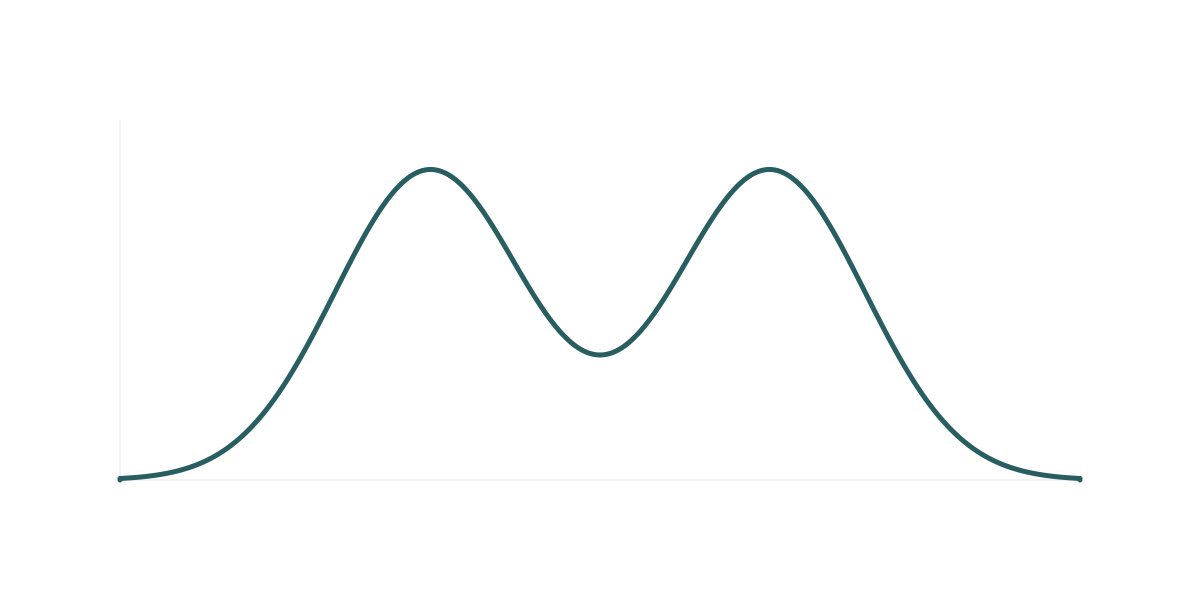
Double Wave
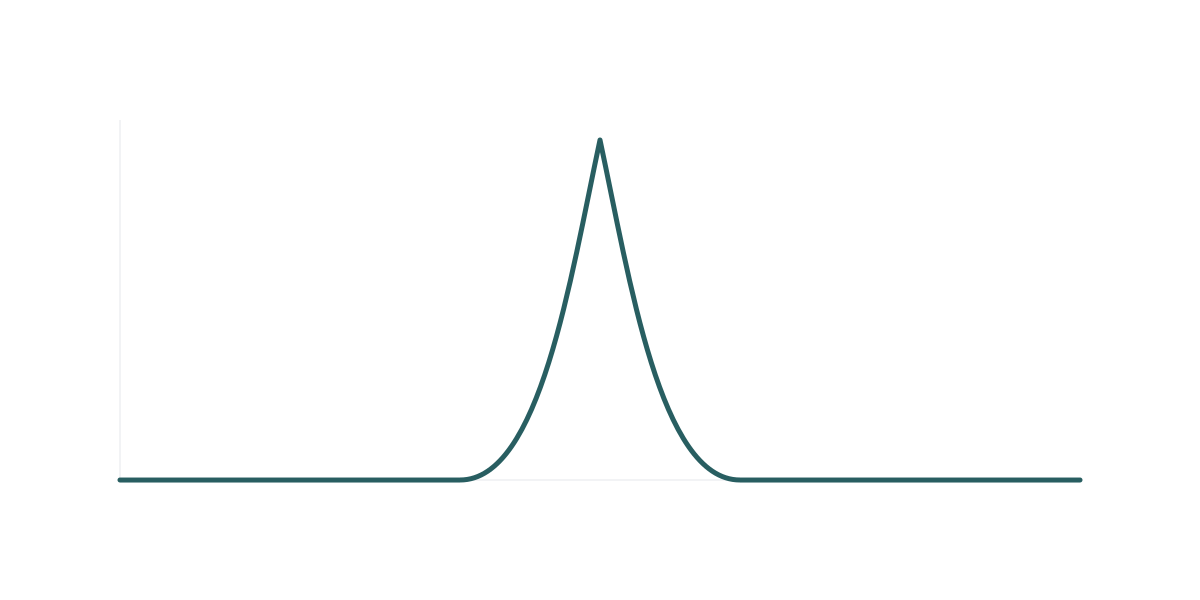
Compressed Wave
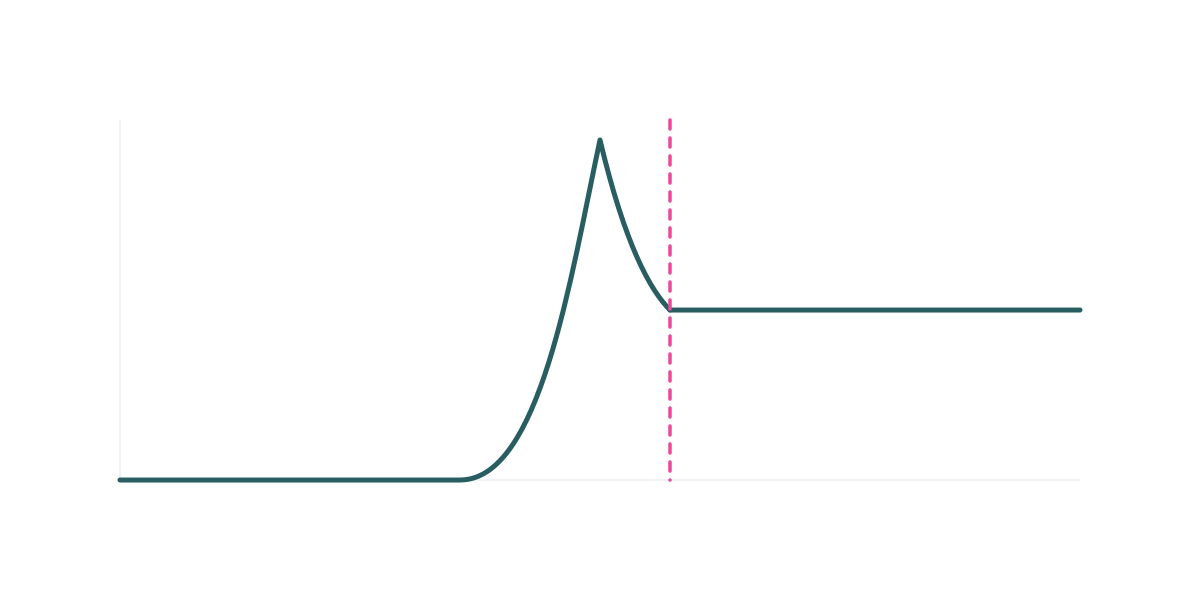
Compressed Wave (disrupted)
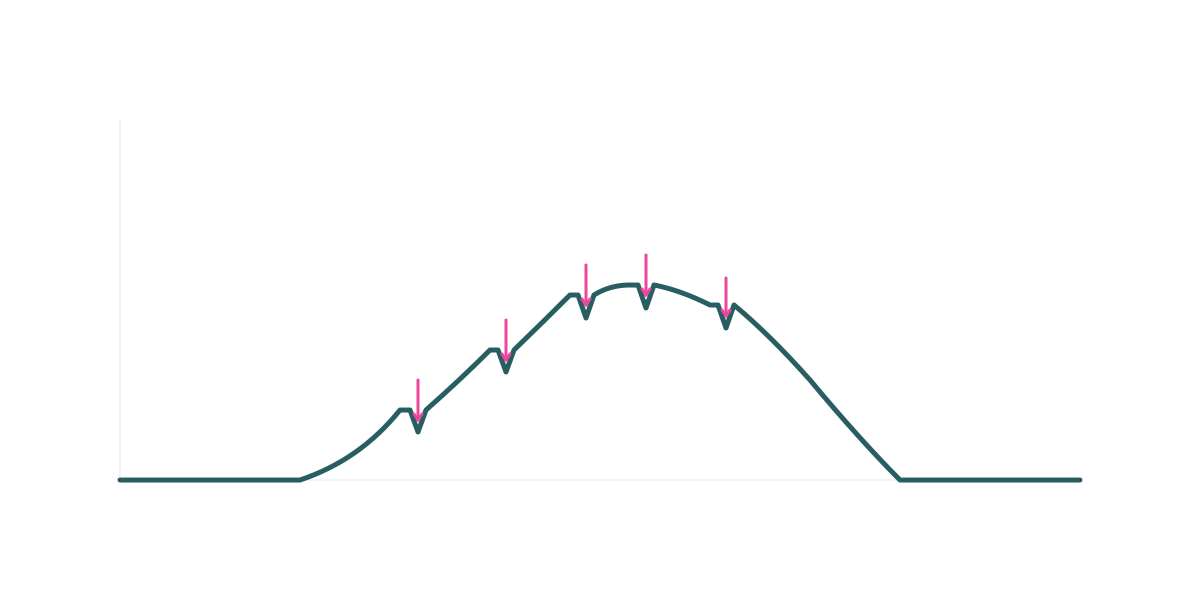
Five-Crisis Compressed
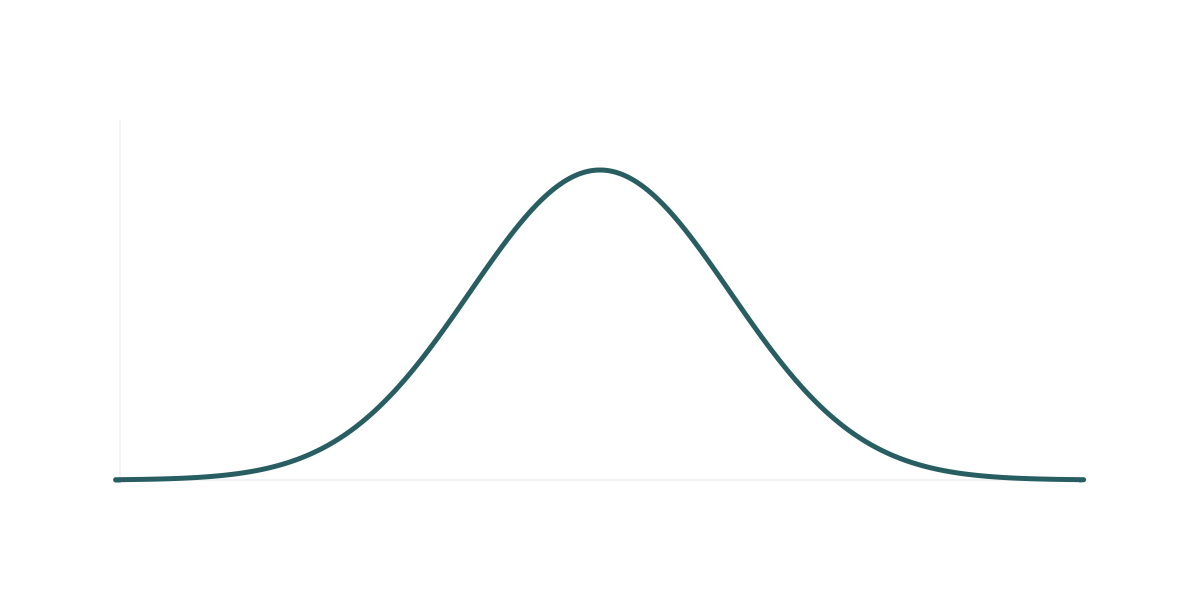
Standard Wave
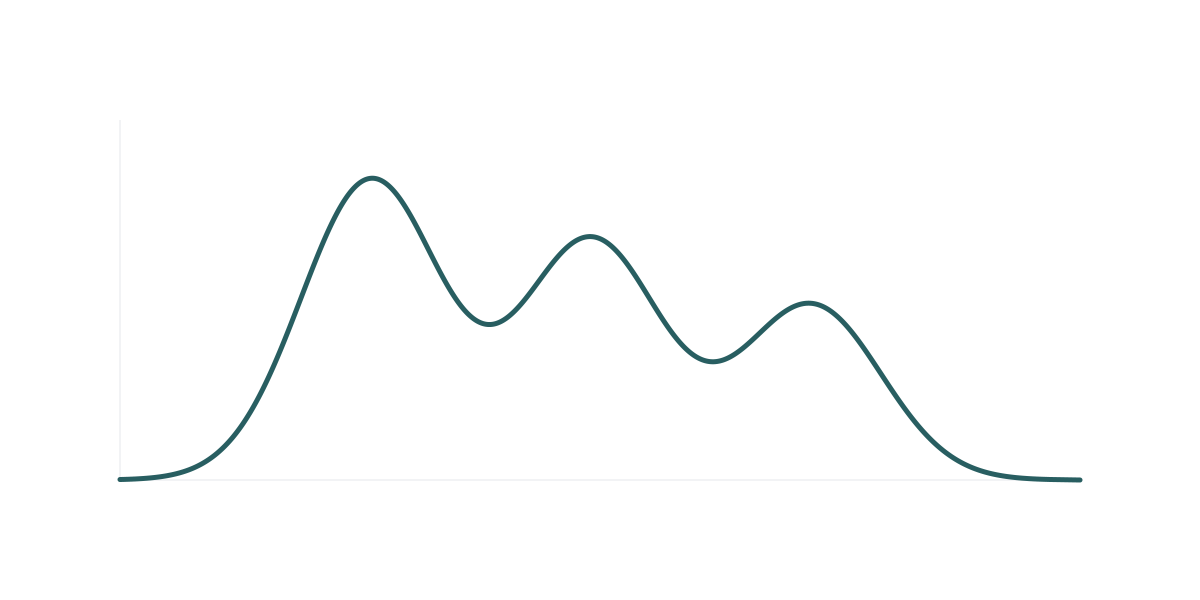
Layered Wave
The Hugo page now shows a 2×3 grid of waveform illustrations with captions in English, Russian, and Chinese. The PDF has the same images embedded in the paper body. Both WP4 and its Data Companion (WP4c) are now visually complete.
One observation from the trial: Claude Design responds well to precise format constraints — label-free, consistent axis scale, specific line weights — rather than abstract subject descriptions. The first round needed one revision, the peak shape on the double wave pattern, and the correction was immediate.
The images are live.